




Approximate Method to Compute Hypersingular Finite-Part Integrals with Rapidly Oscillating Kernels
In this paper, an algorithm for the numerical evaluation of hypersingular finite-part integrals with rapidly oscillating kernels is proposed. The method is based on an interpolatory procedure at zeros of the orthogonal polynomials with respect to the first kind Chebyshev weight. Bounds of the error and of the amplification factor are also provided. Numerically stable procedure are obtained and the corresponding algorithms can be implemented in a fast way.
Prisma Noise Coefficients Estimation
The PRISMA (PRecursore IperSpettrale della Missione Applicativa) hyperspectral satellite, launched by the Italian Space Agency (ASI) is presently operational on a global scale. The mission includes the hyperspectral imager PRISMA working in the 400-2500 nm spectral range with 234 bands and a panchromatic (PAN) camera (400-750 nm). In the context of this work, we intend to determine the two noise components (photon and thermal noise) and assess SNR with an image based approach.
Why diffusion-based preconditioning of Richards equation works: spectral analysis and computational experiments at very large scale.
We consider here a cell-centered finite difference approximation of the Richards equation in three dimensions, averaging for interface values the hydraulic conductivity, a highly nonlinear function, by arithmetic, upstream and harmonic means. The nonlinearities in the equation can lead to changes in soil conductivity over several orders of magnitude and discretizations with respect to space variables often produce stiff systems of differential equations.
I giardini di Cutting EEG
La conferenza #CuttingEEG quest'anno è stata concepita come un evento distribuito che avverriene simultaneamente in "giardini" sparsi in diverse parti del mondo (https://cuttinggardens2023.o
Il 24 ottobre "Ma a che serve la matematica?" arriva a Roma
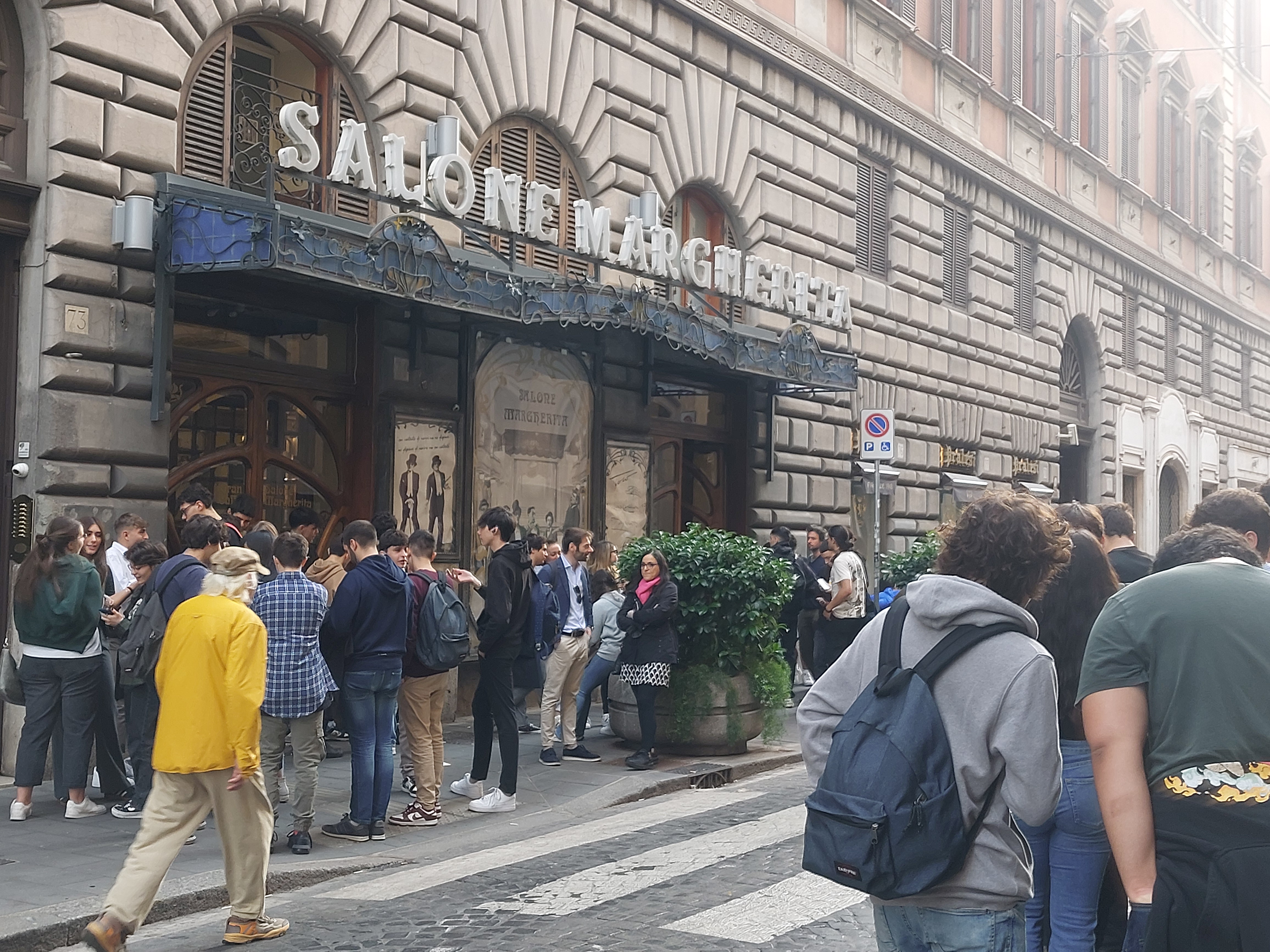
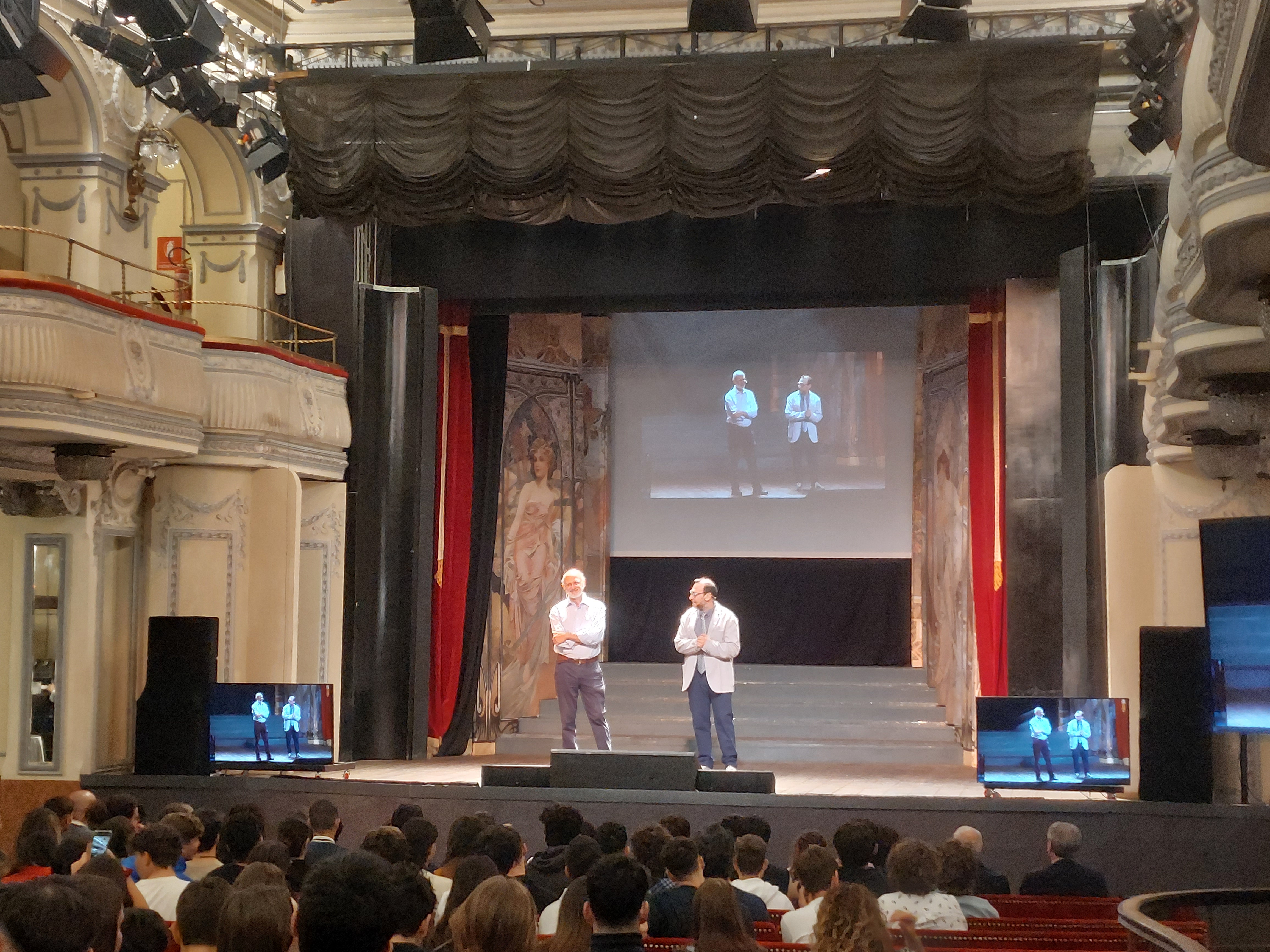
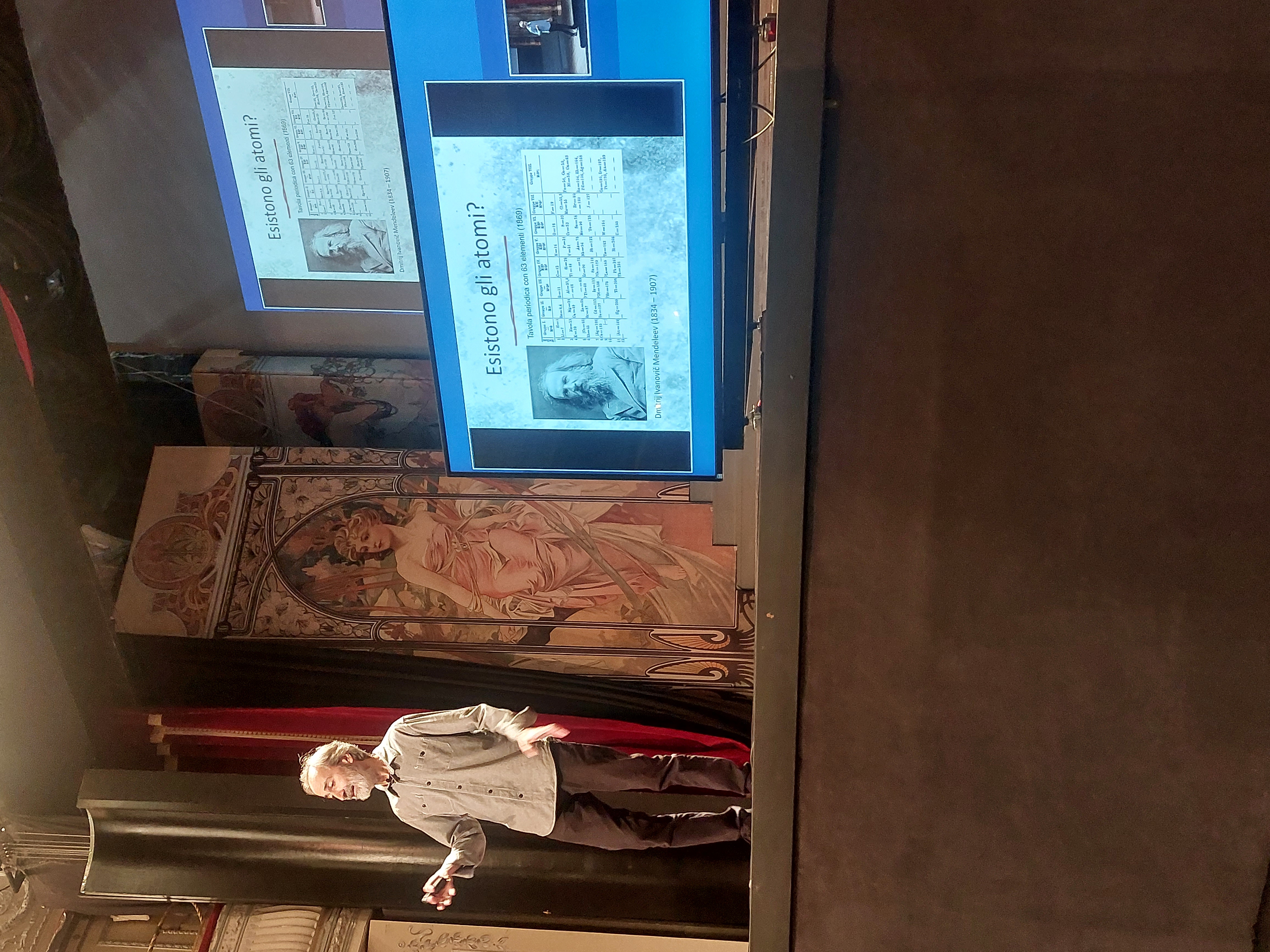
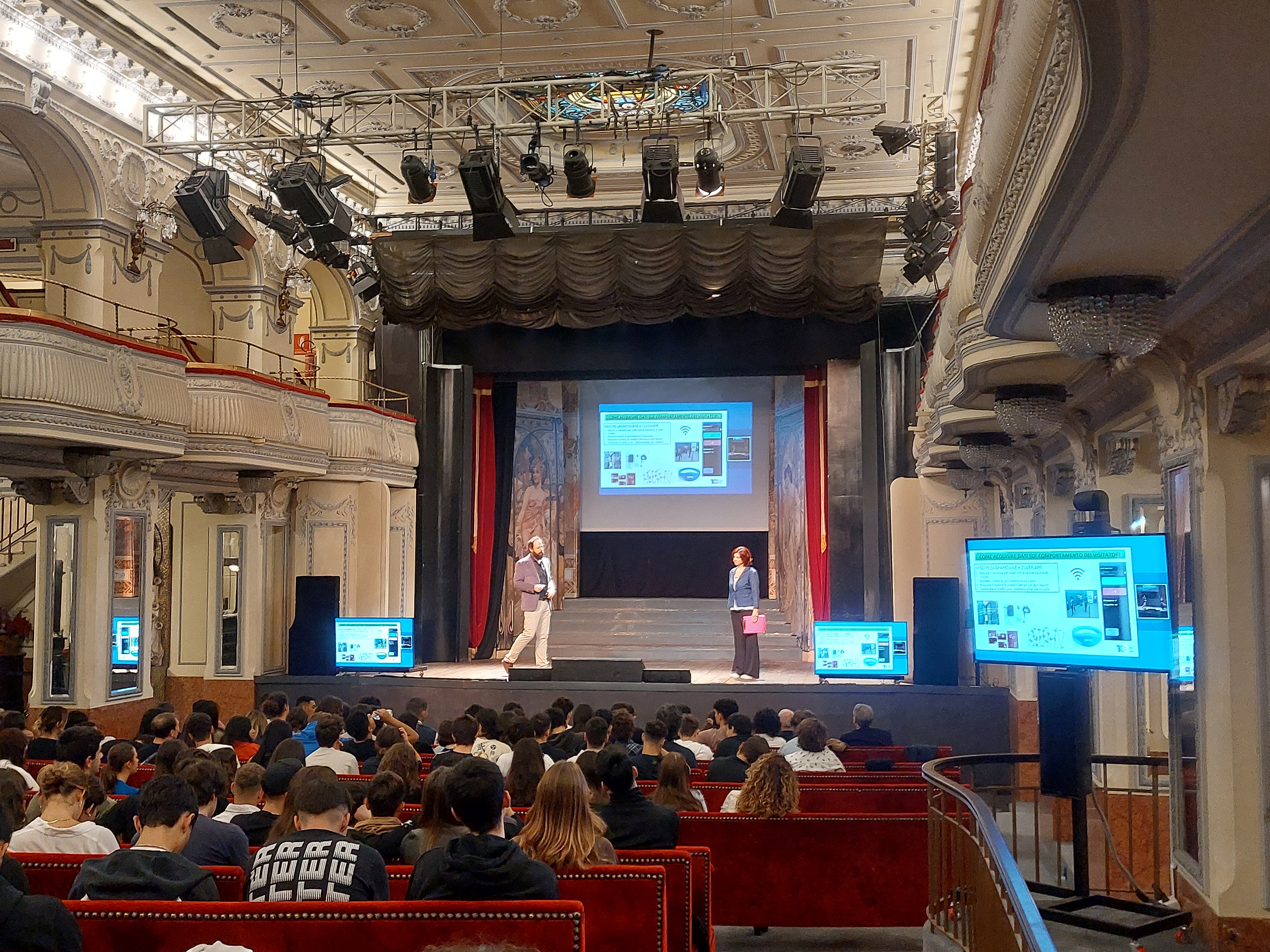
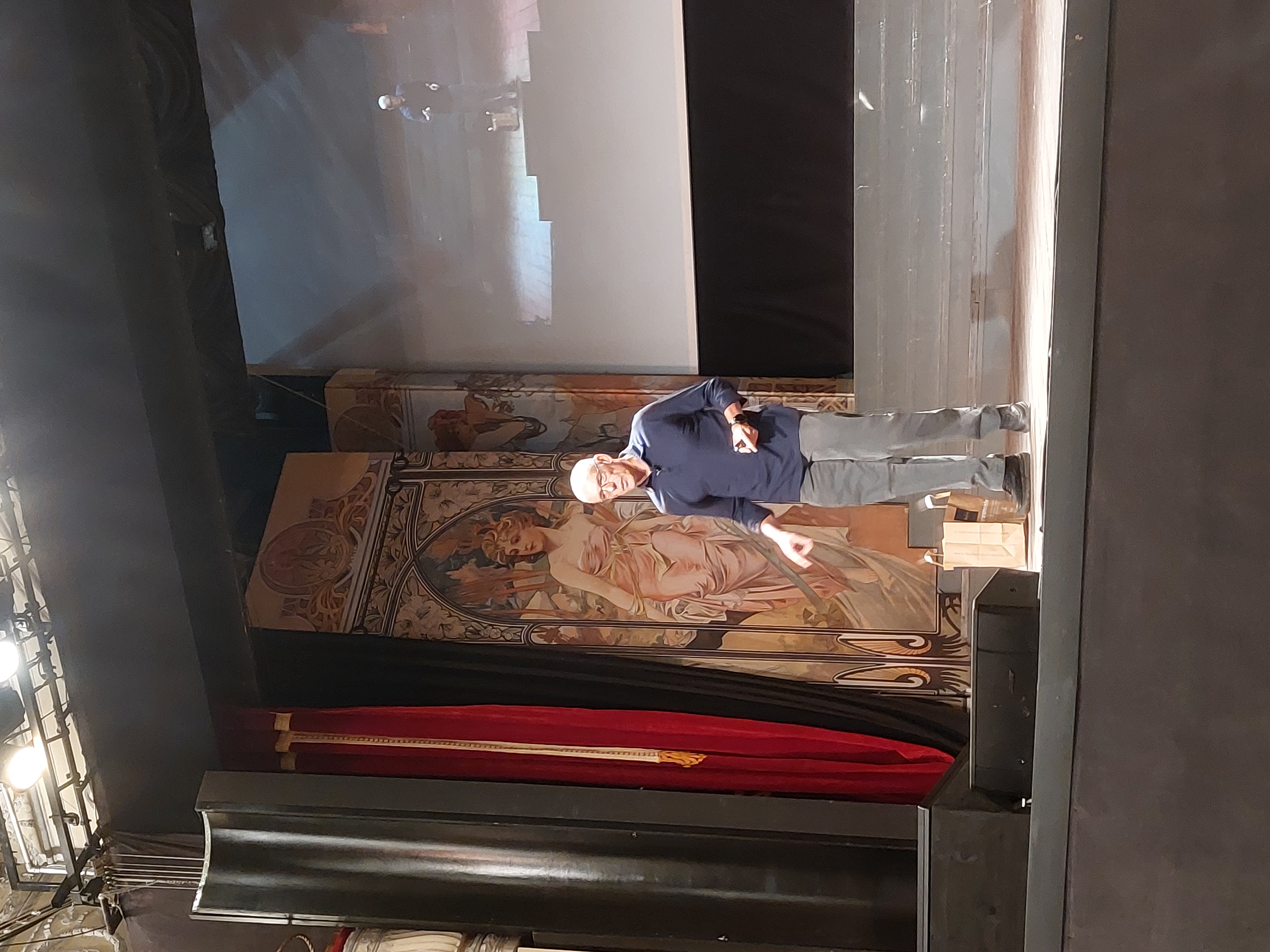
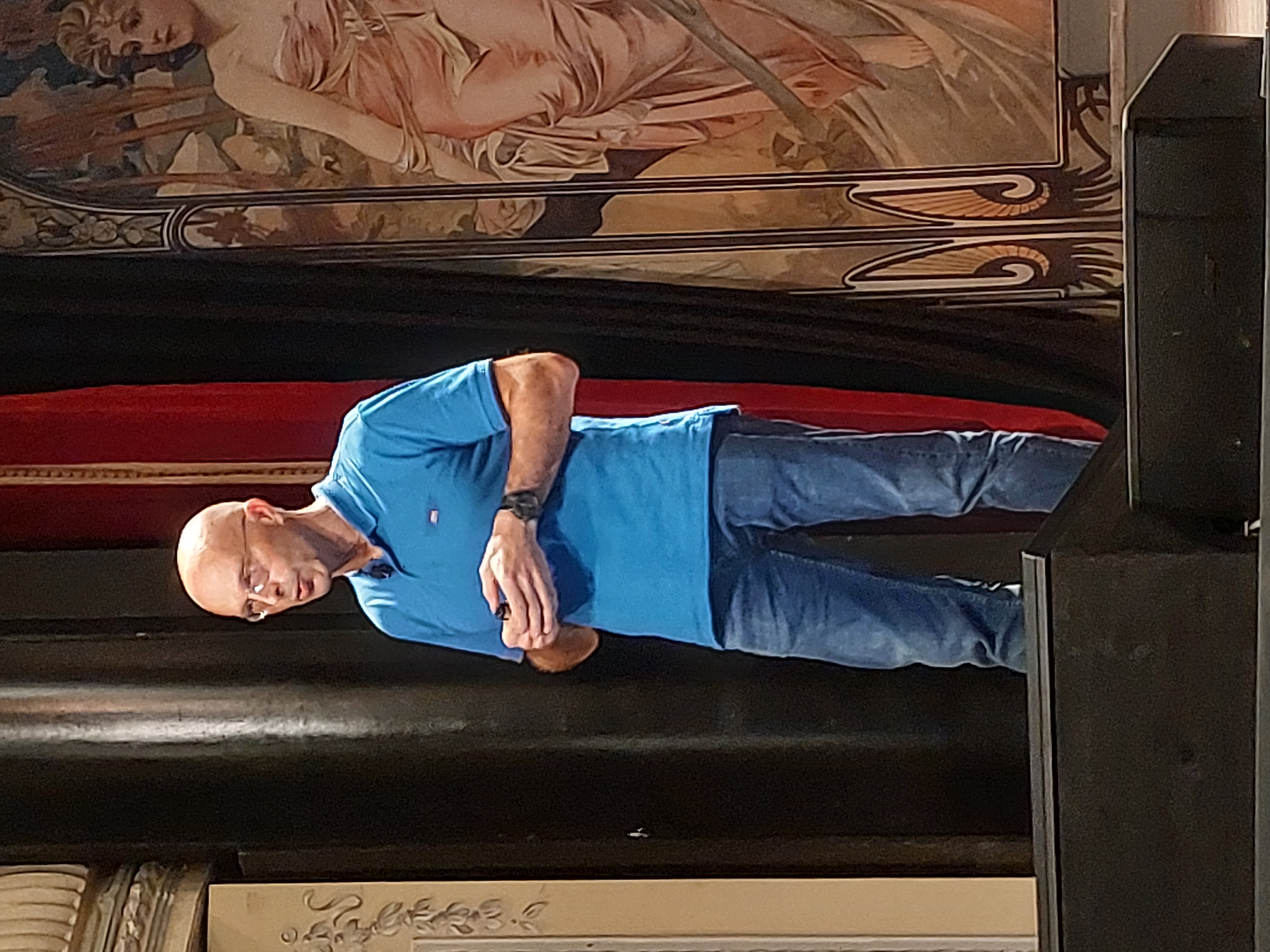
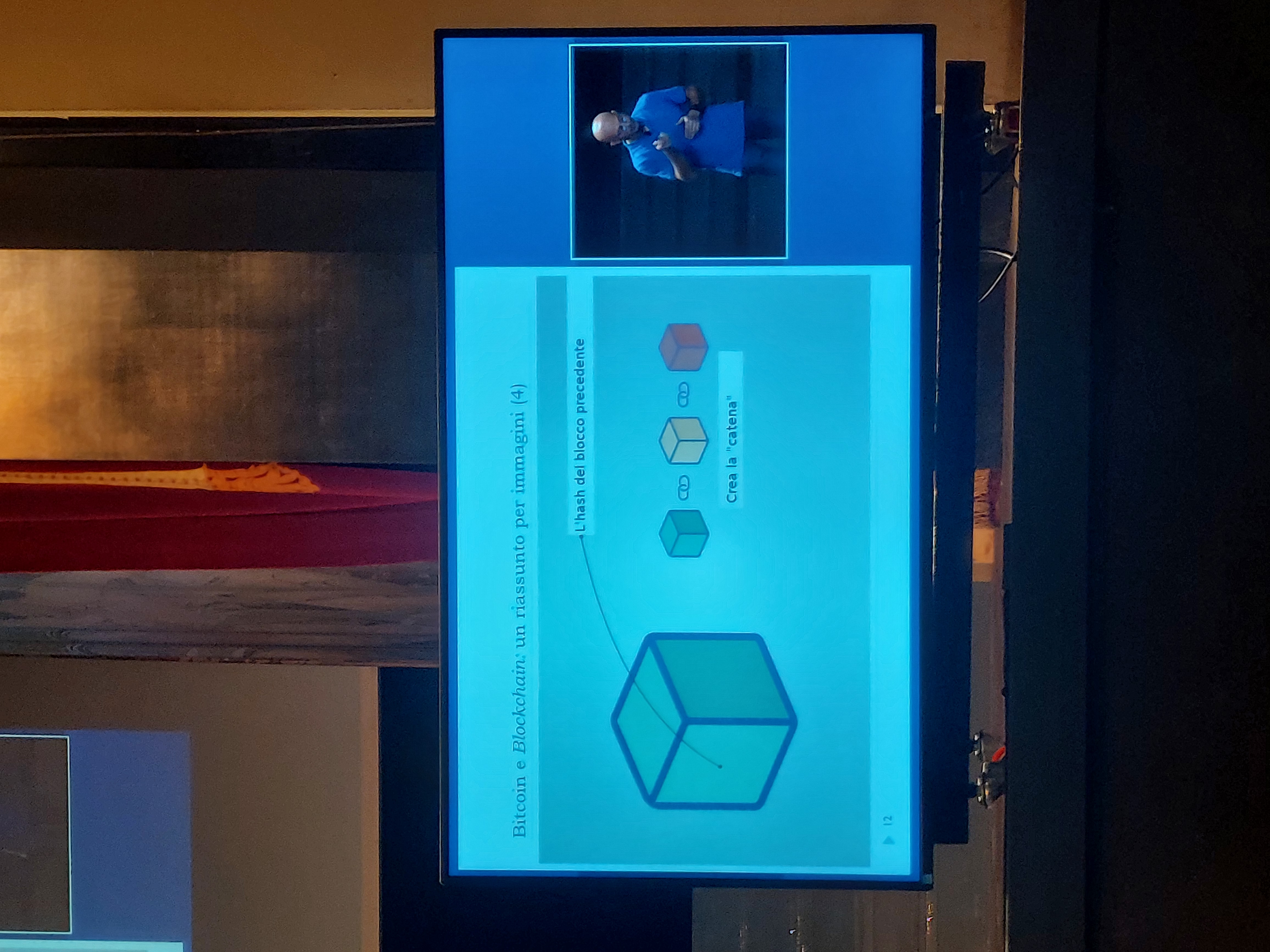
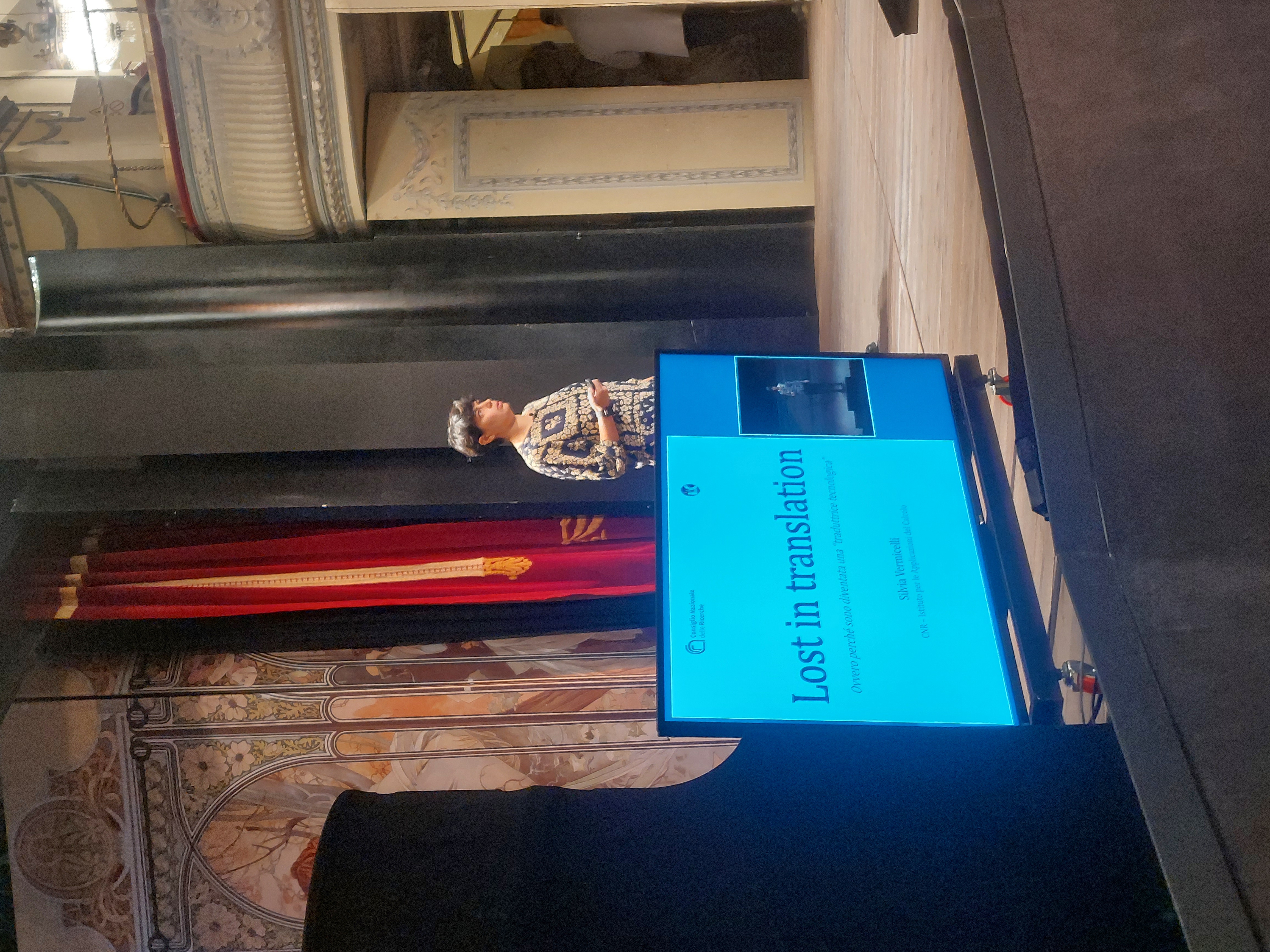
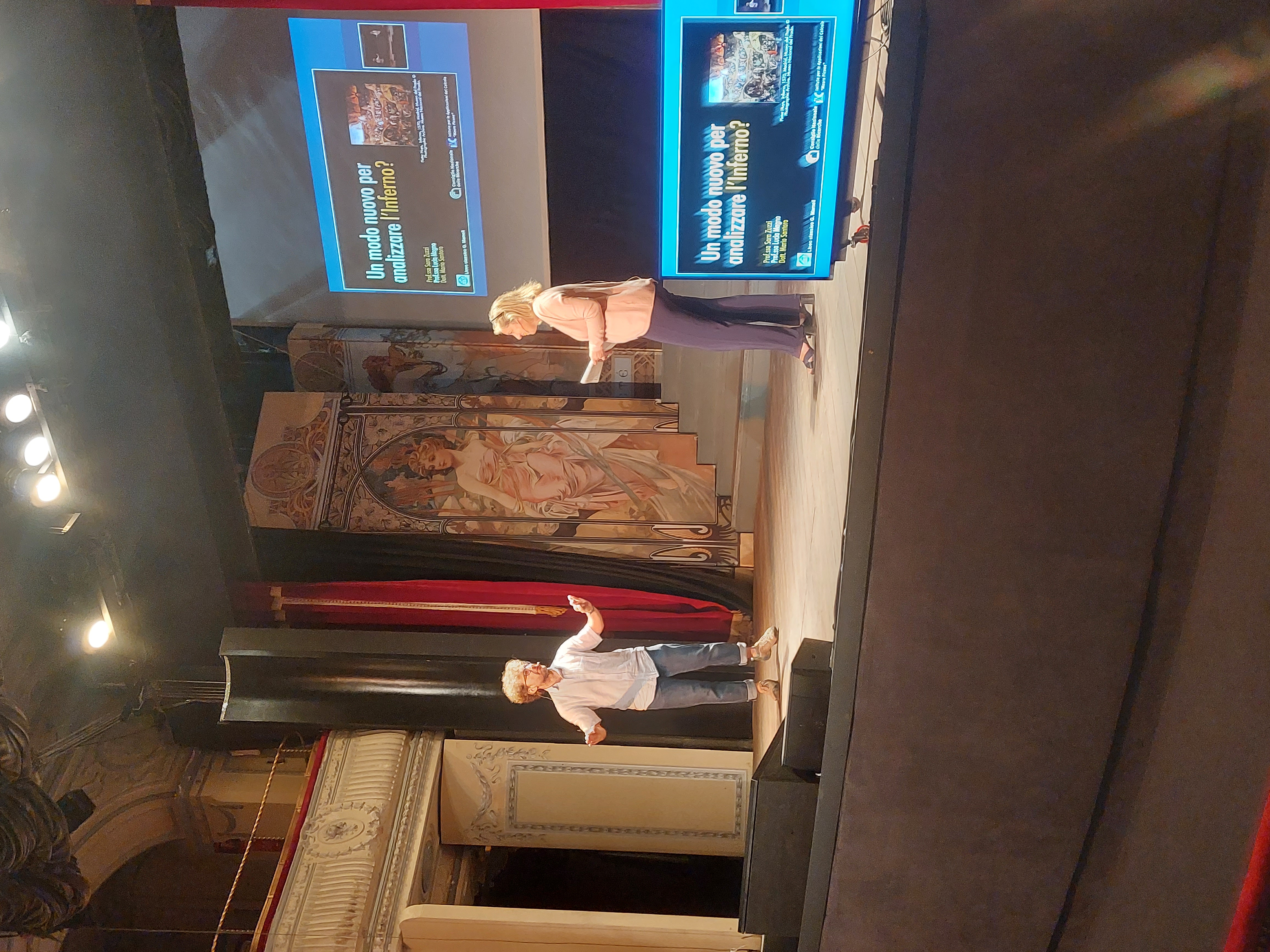
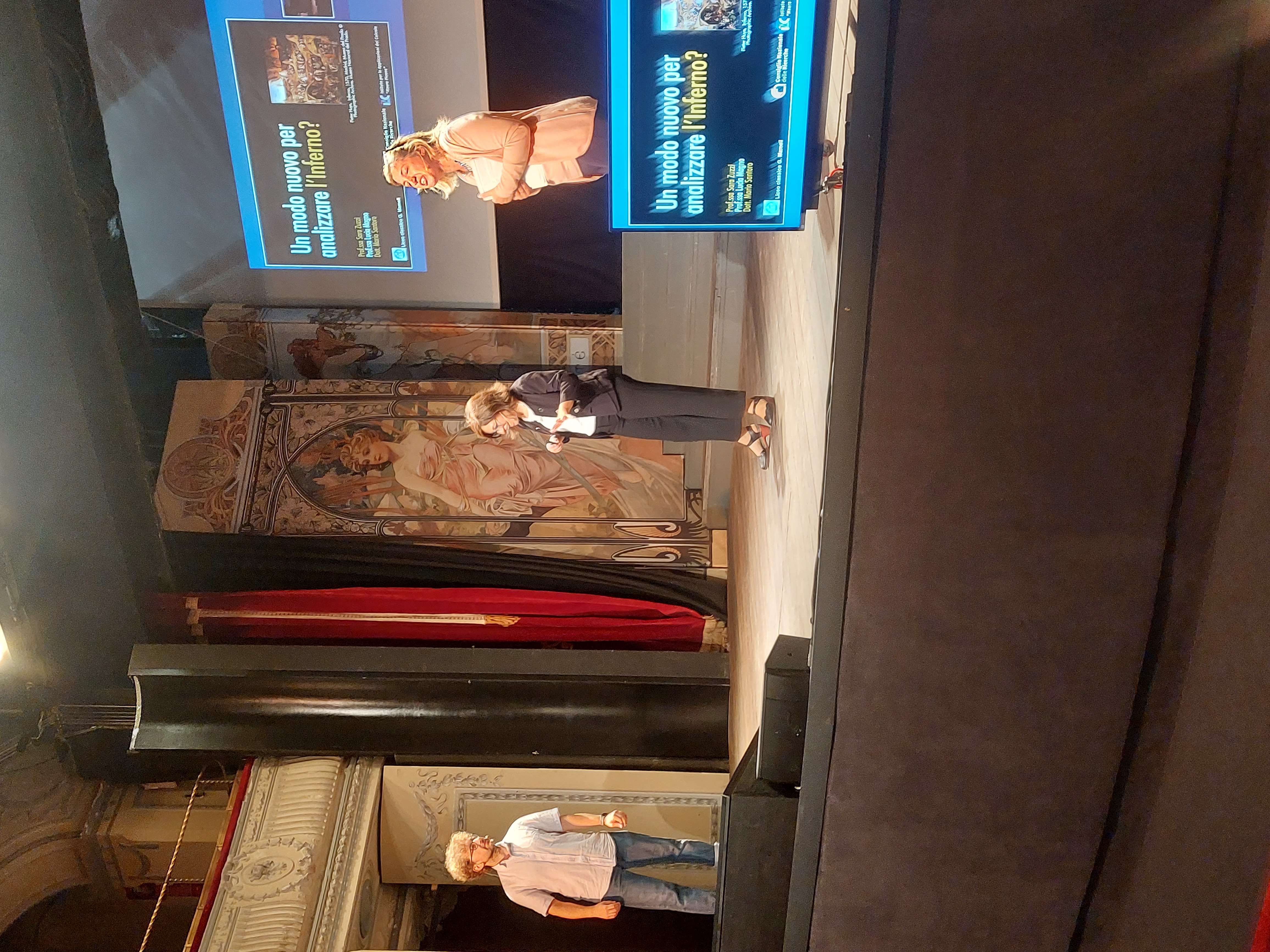
Dopo le date al CNR IAC di Firenze e al CNR IAC di Napoli, il 24 ottobre "Ma a che serve la matematica?" si svolgerà a Roma, al Salone Margherita.
In collaborazione con il Museo della moneta di Banca d'Italia, un nuovo incontro tra i ricercatori dell'IAC e gli studenti delle scuole superiori, per festeggiare con i 100 anni del CNR.
Lo spettacolo su Vito Volterra al Teatro 7 di Roma
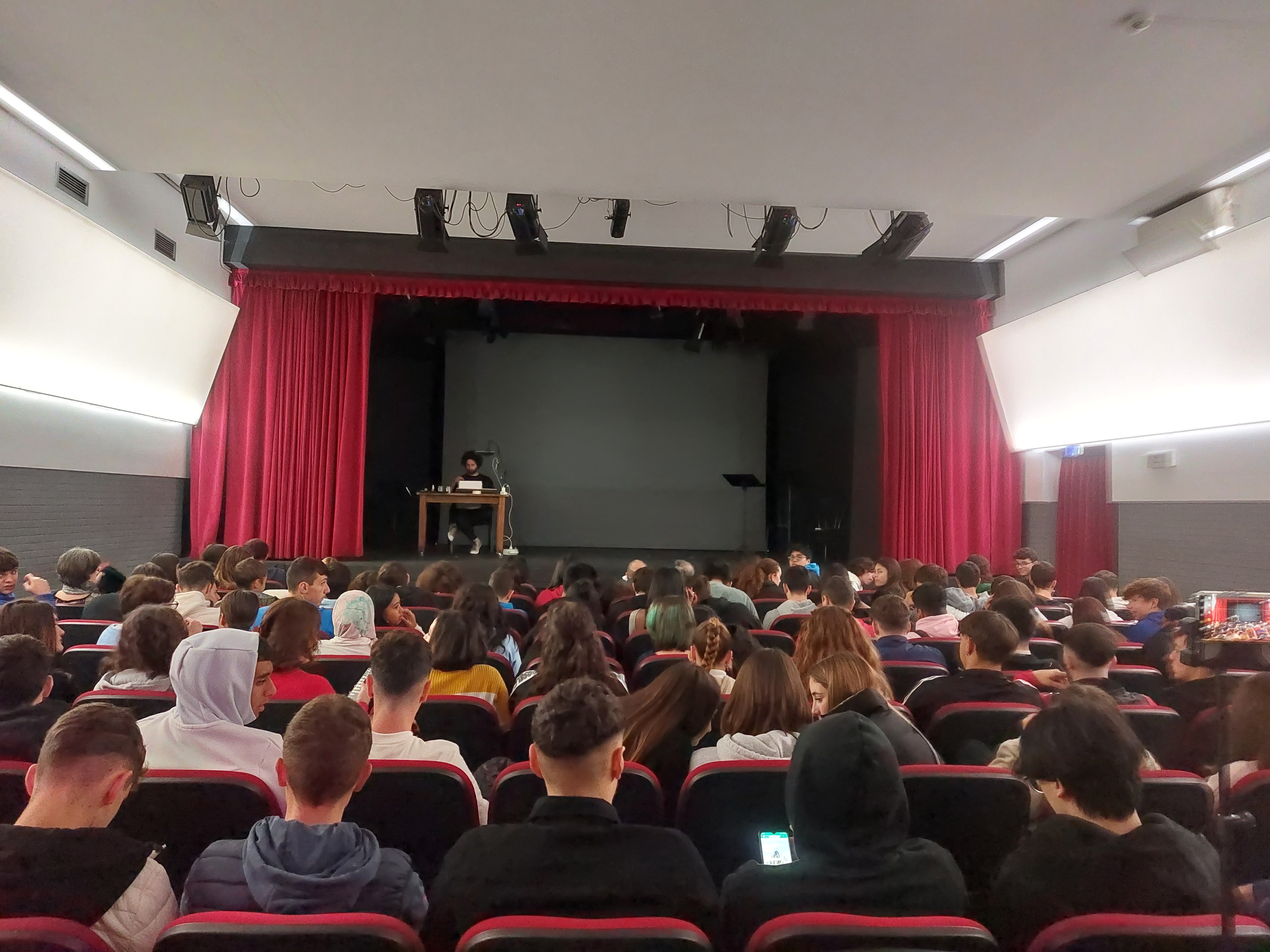
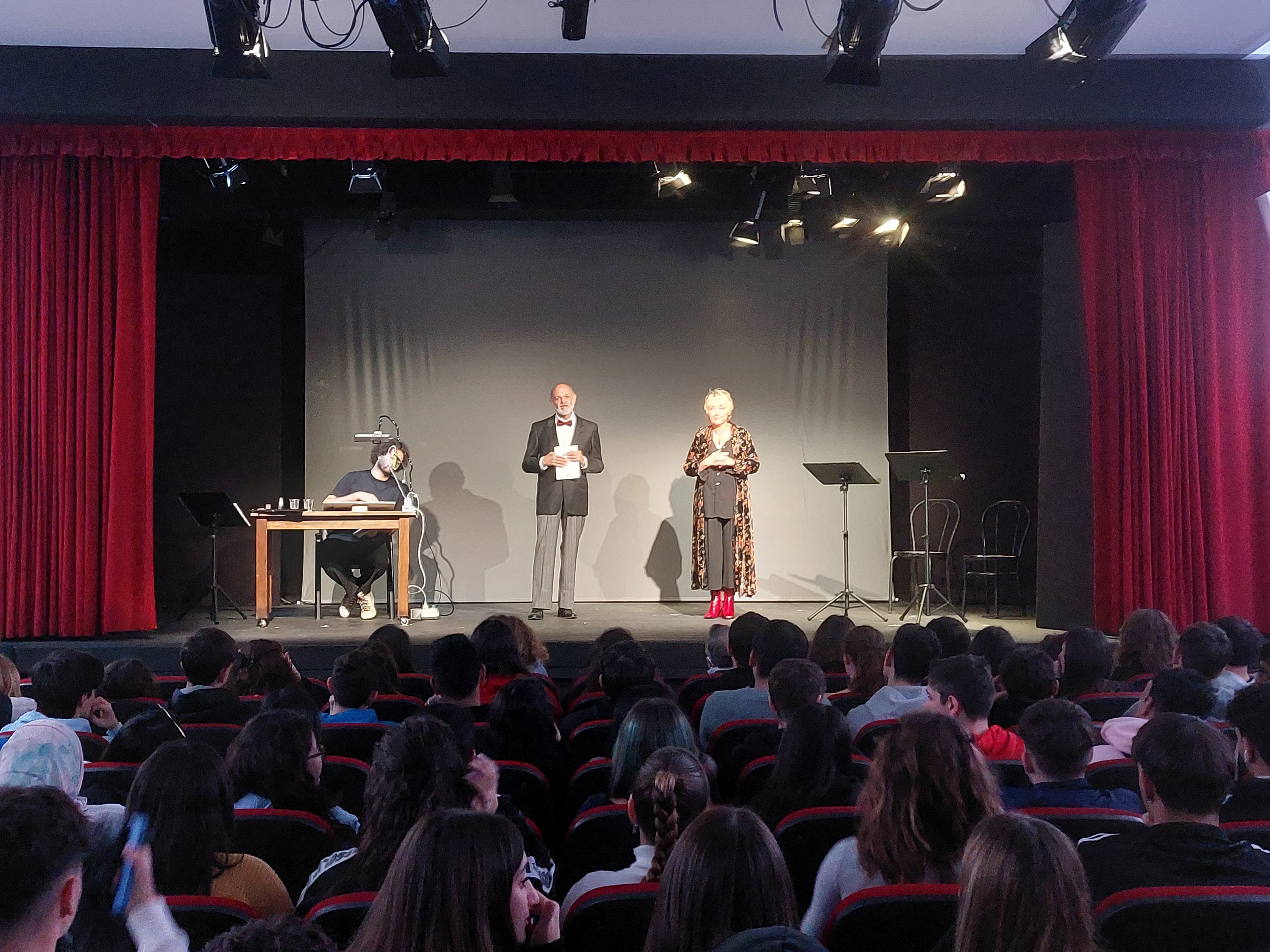
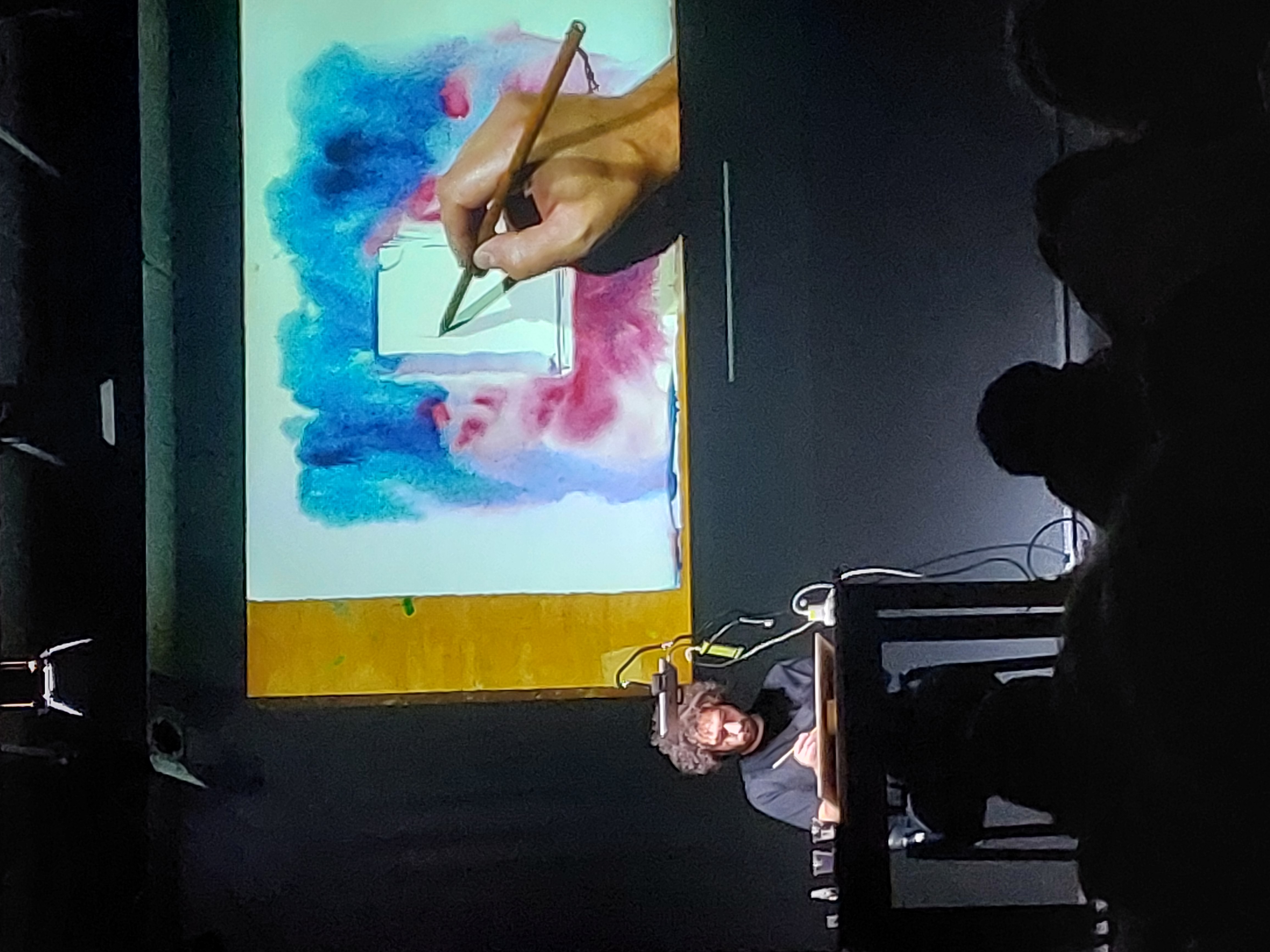
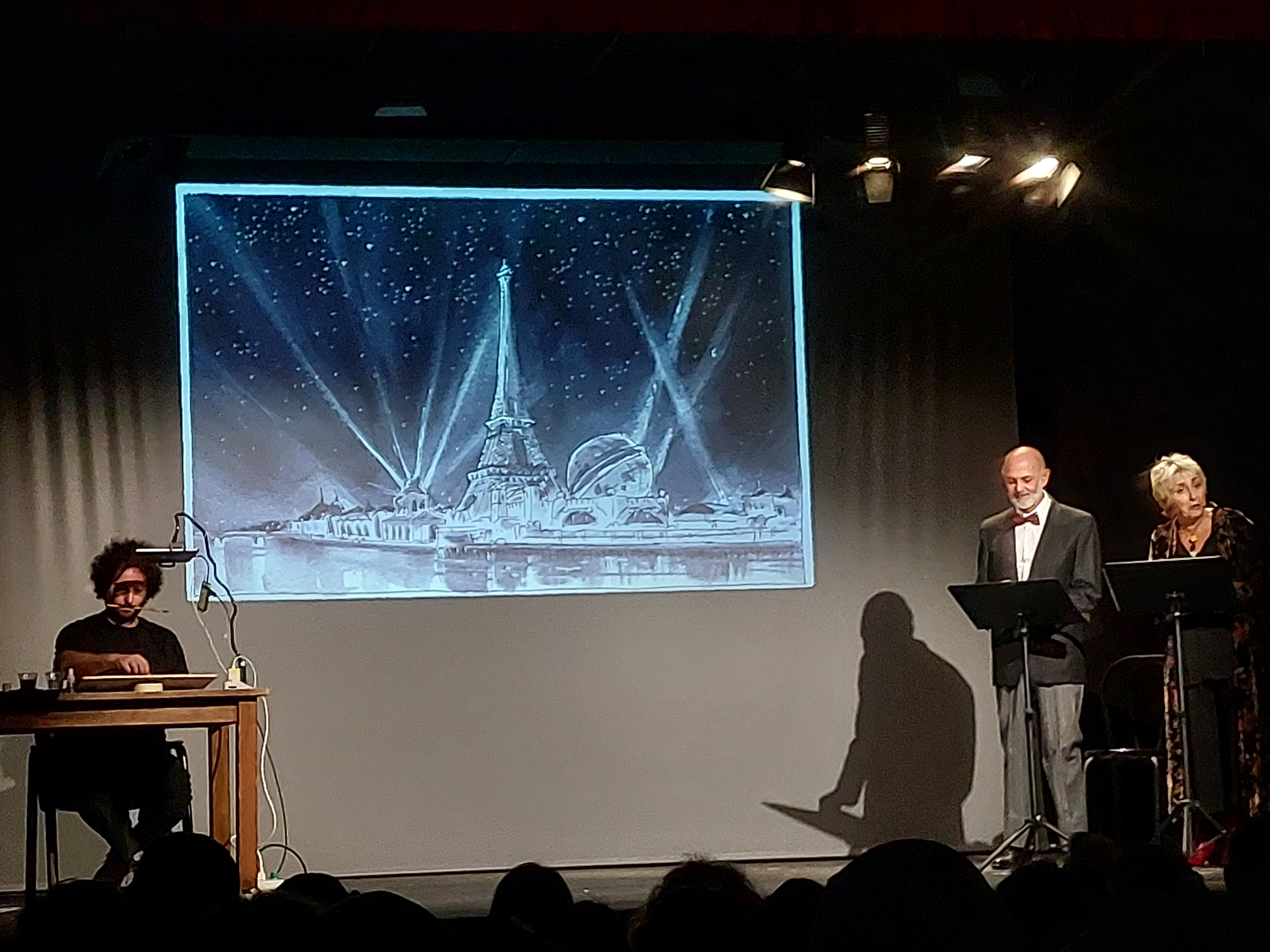
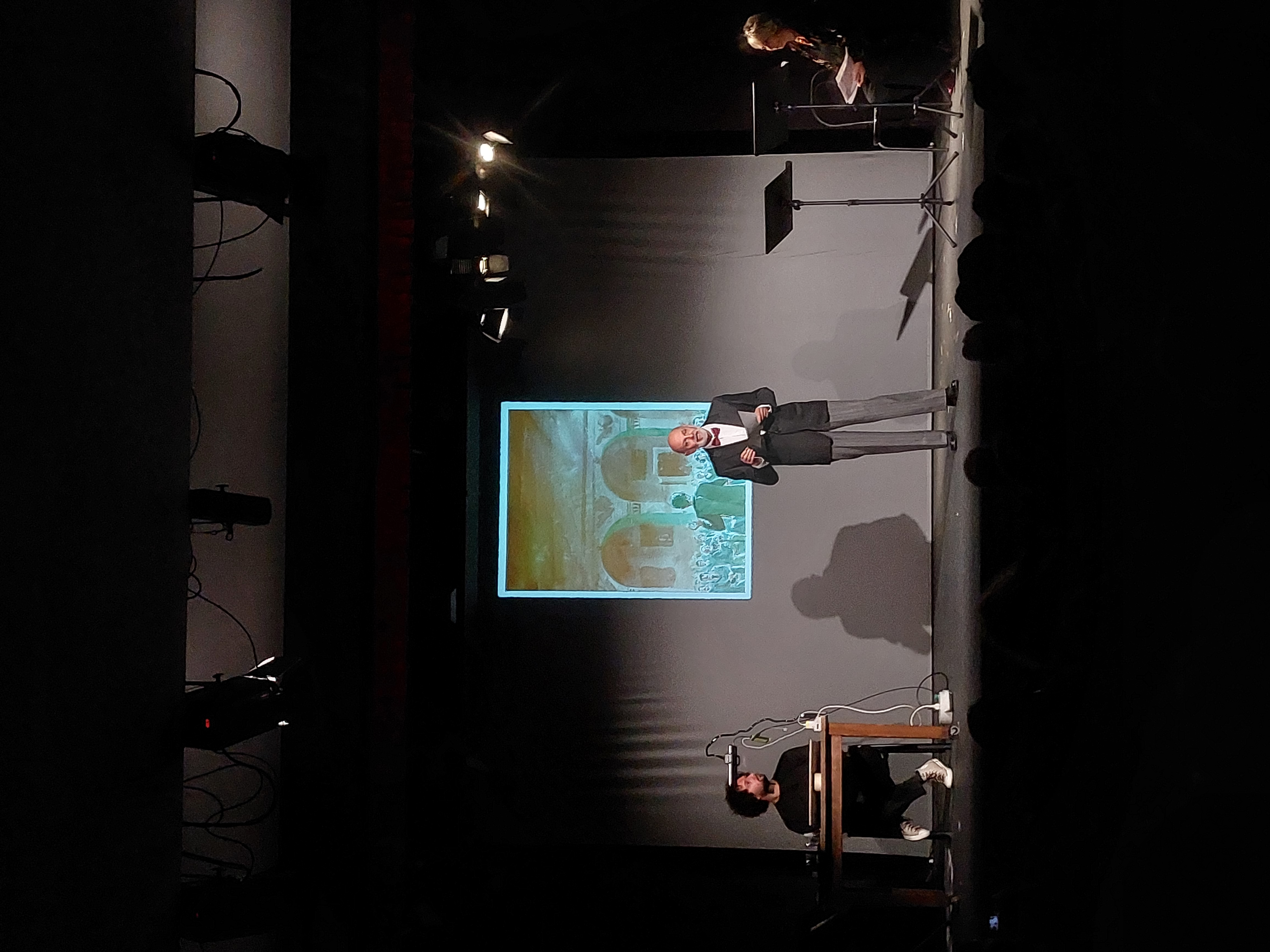
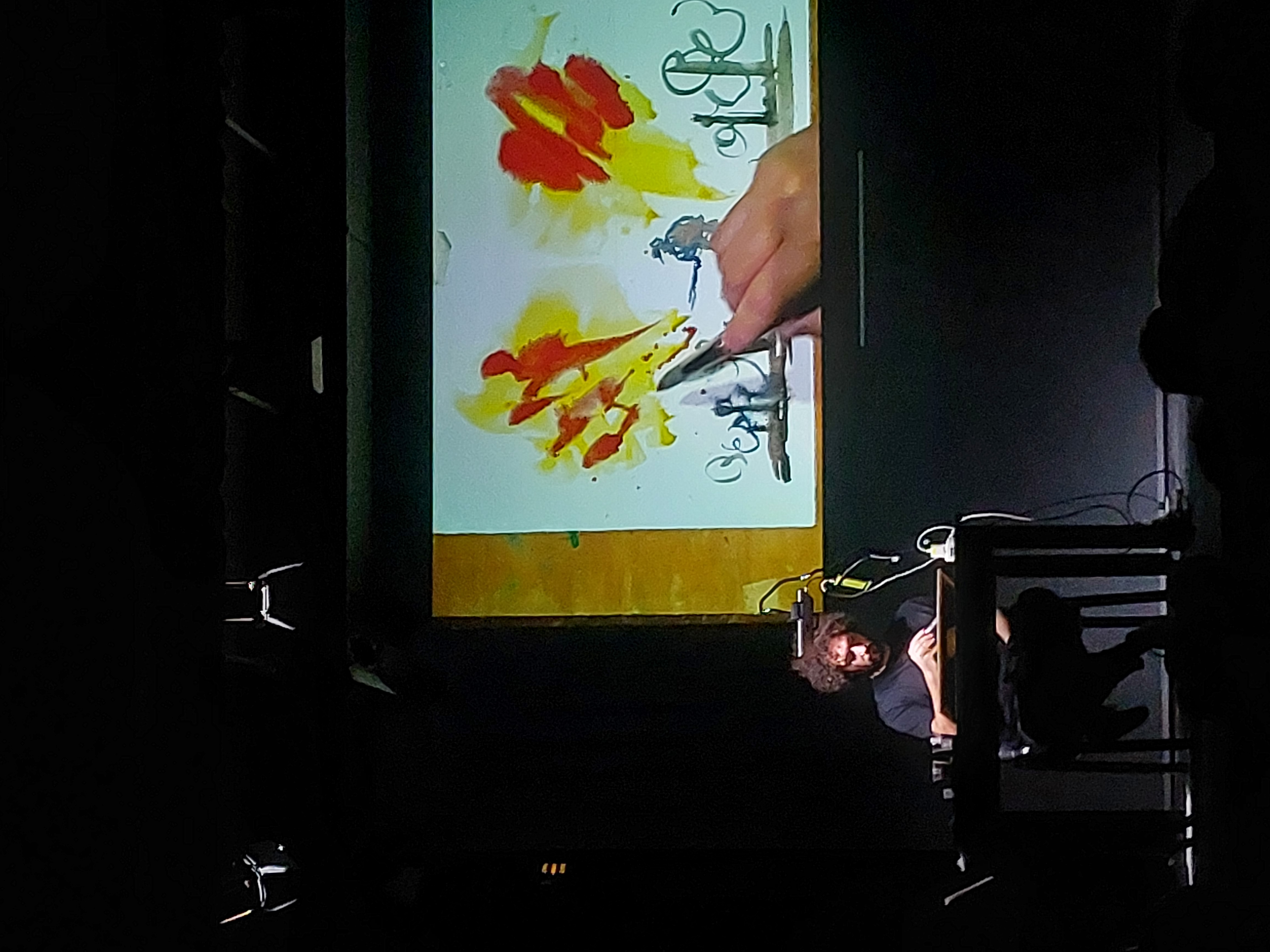
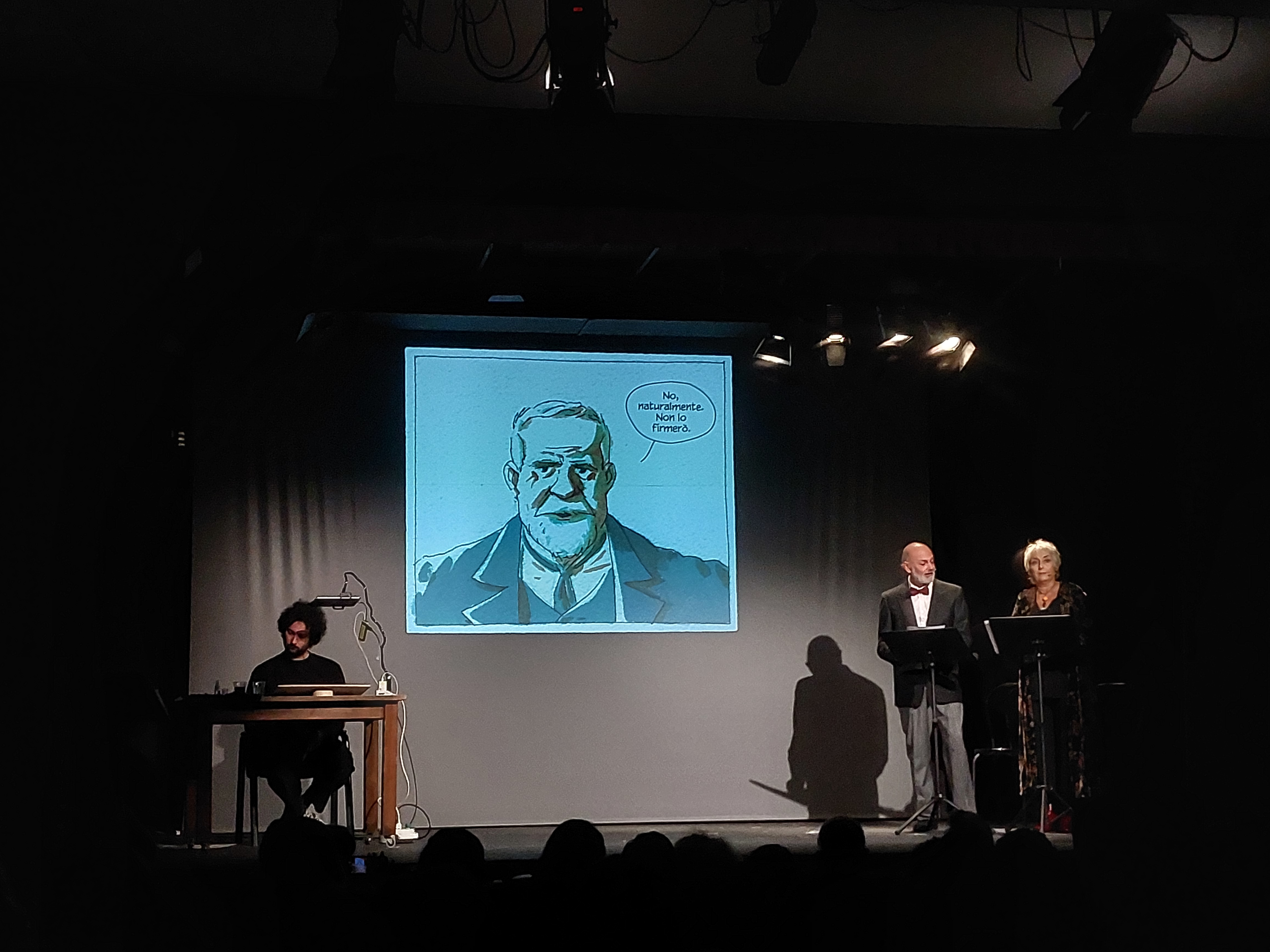
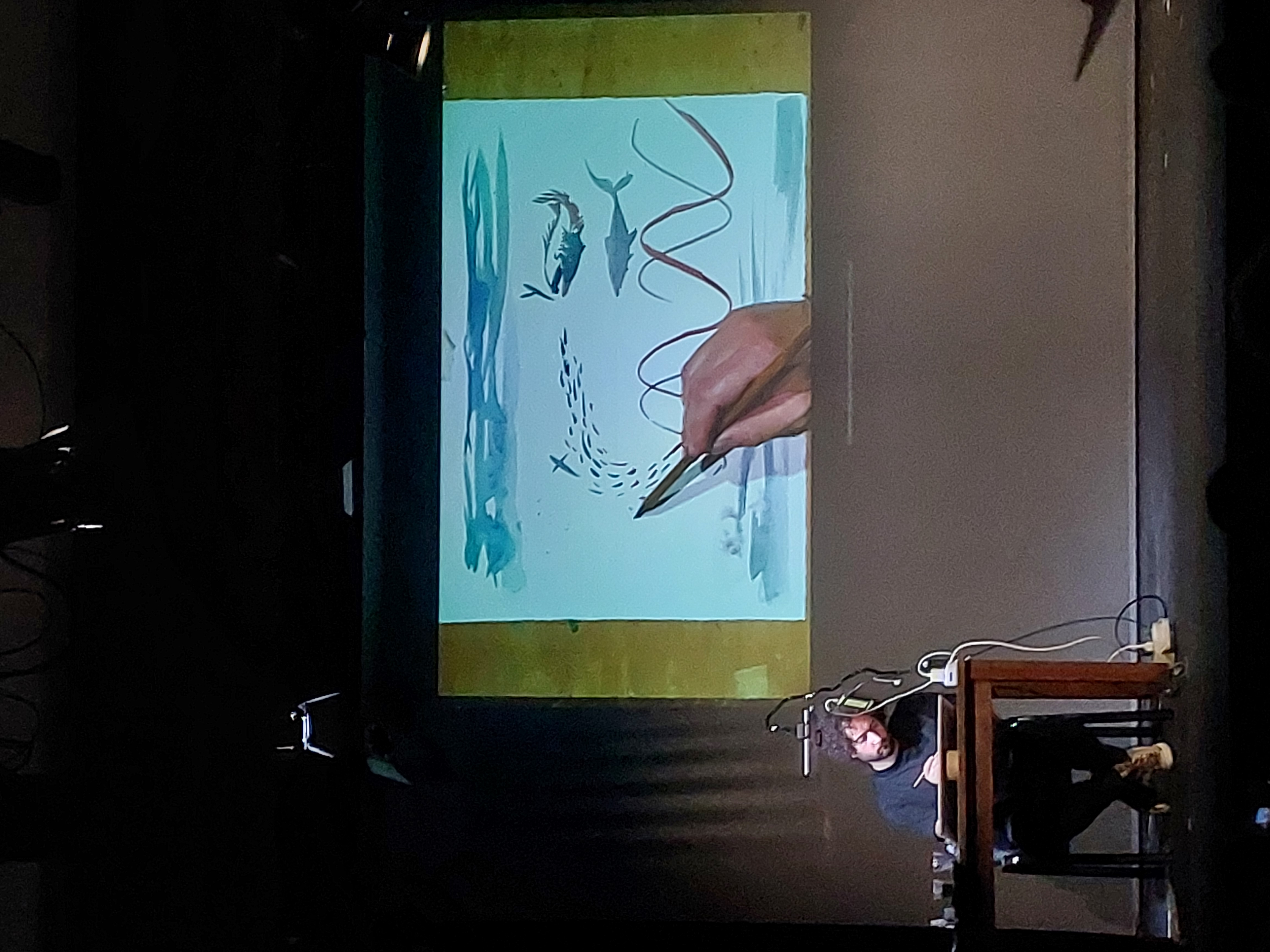
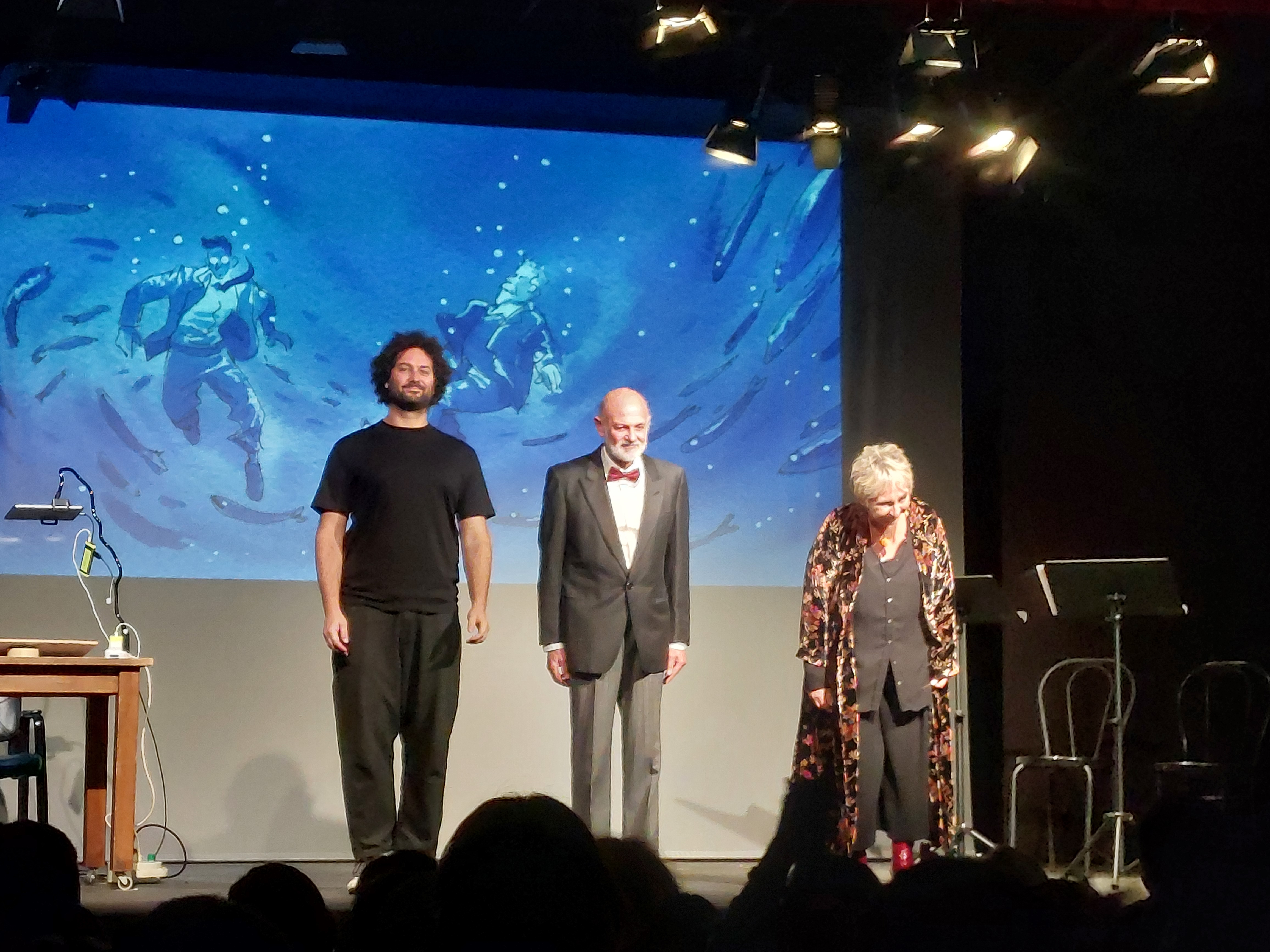
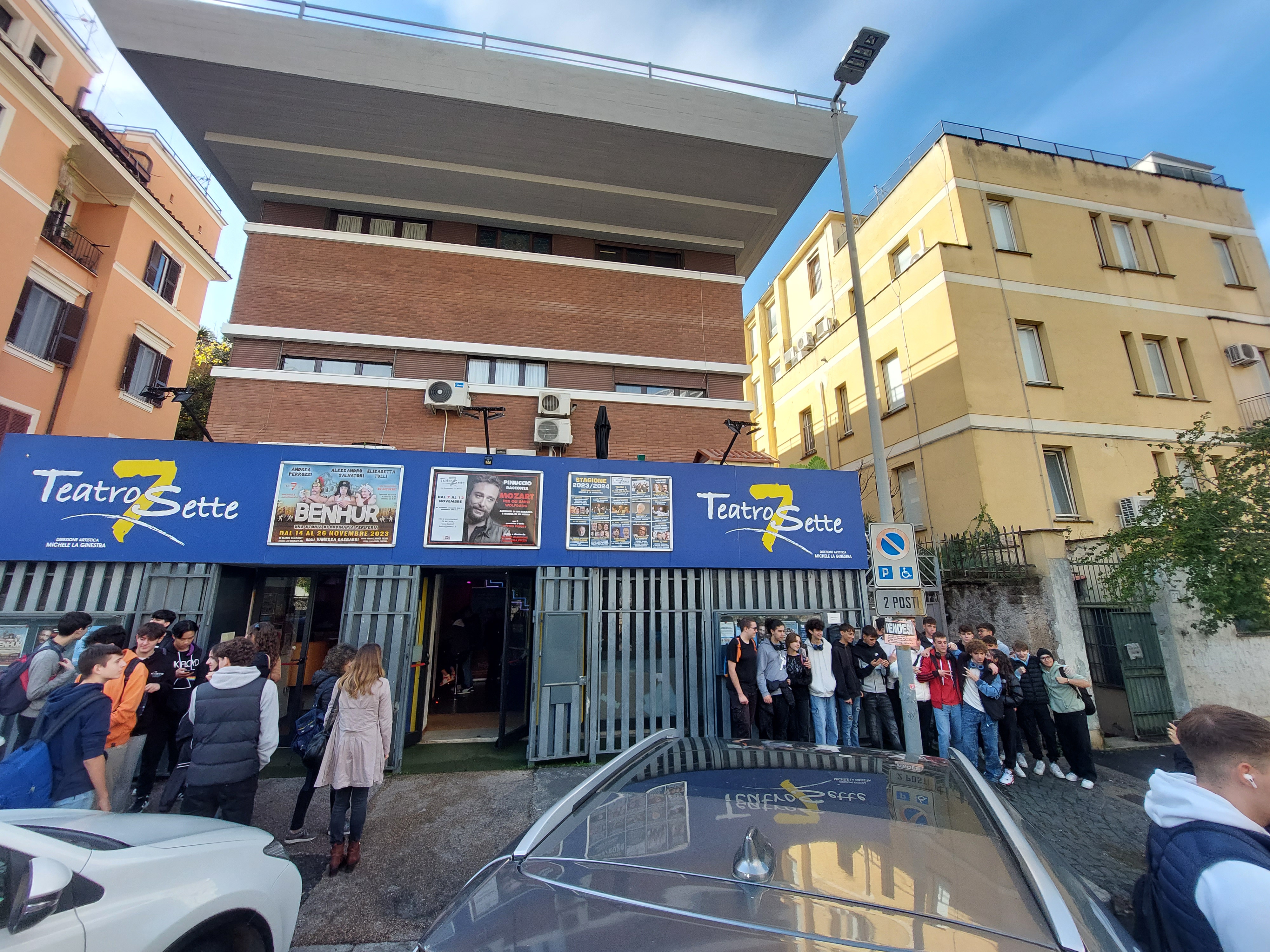
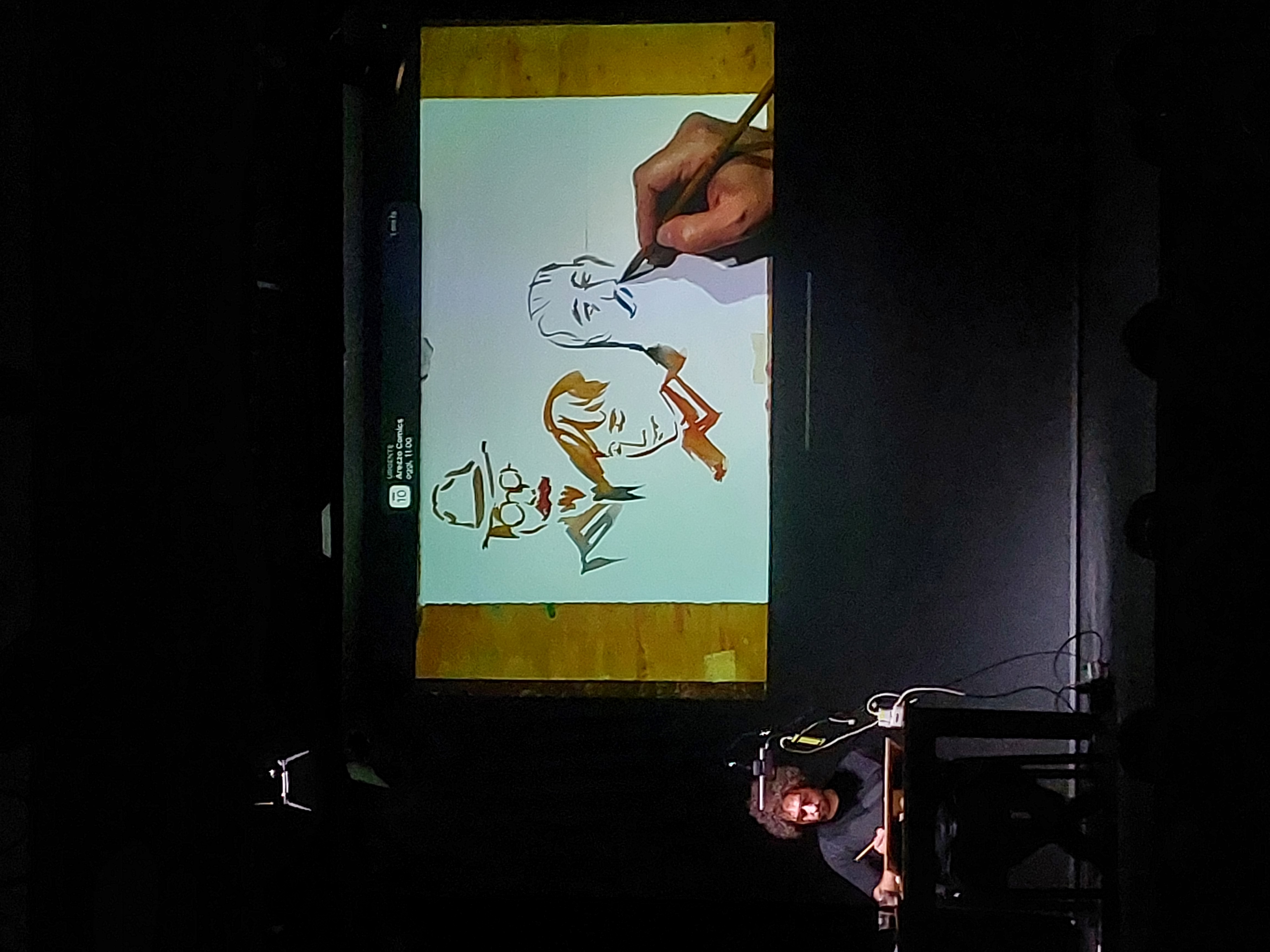
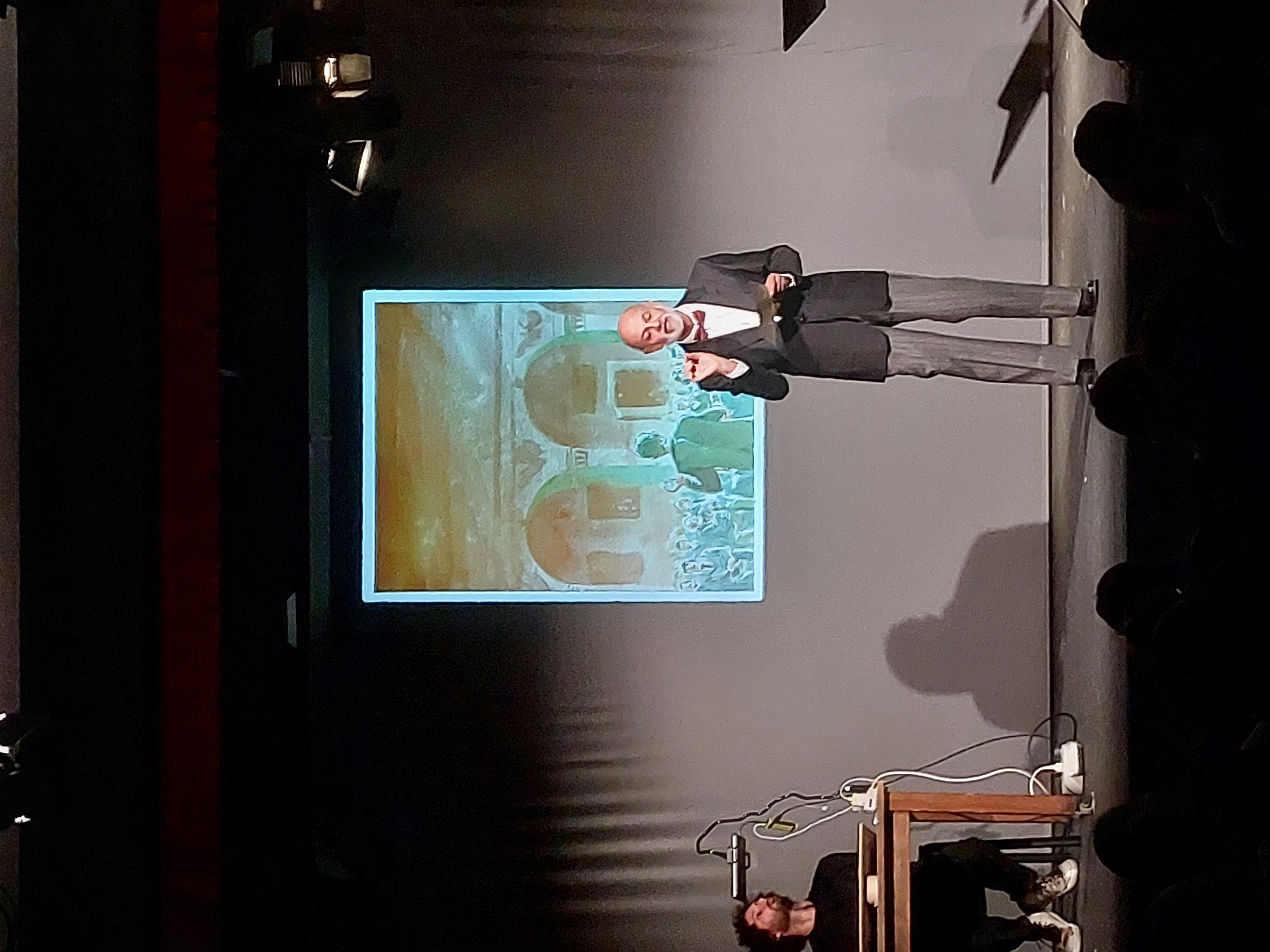
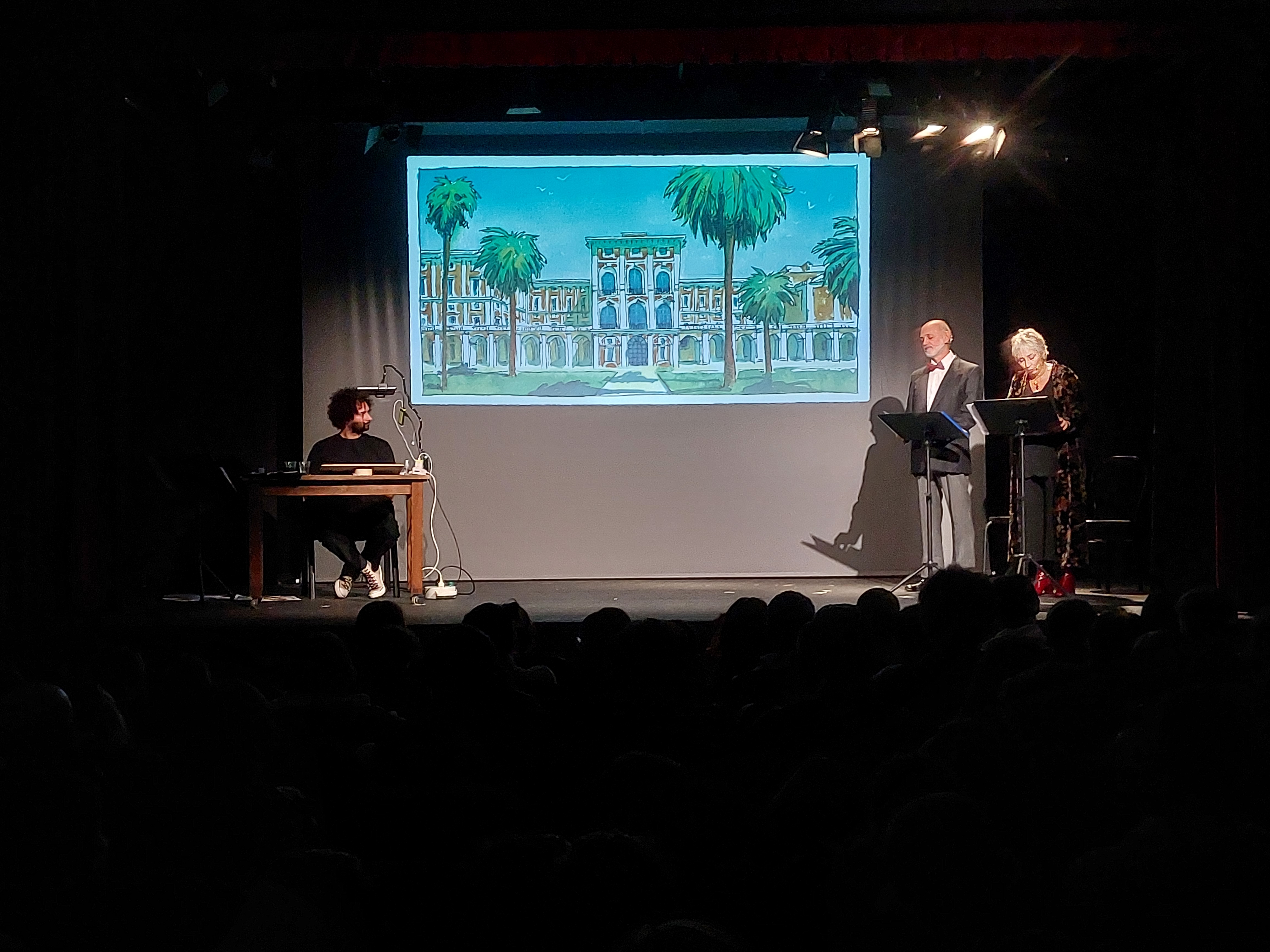
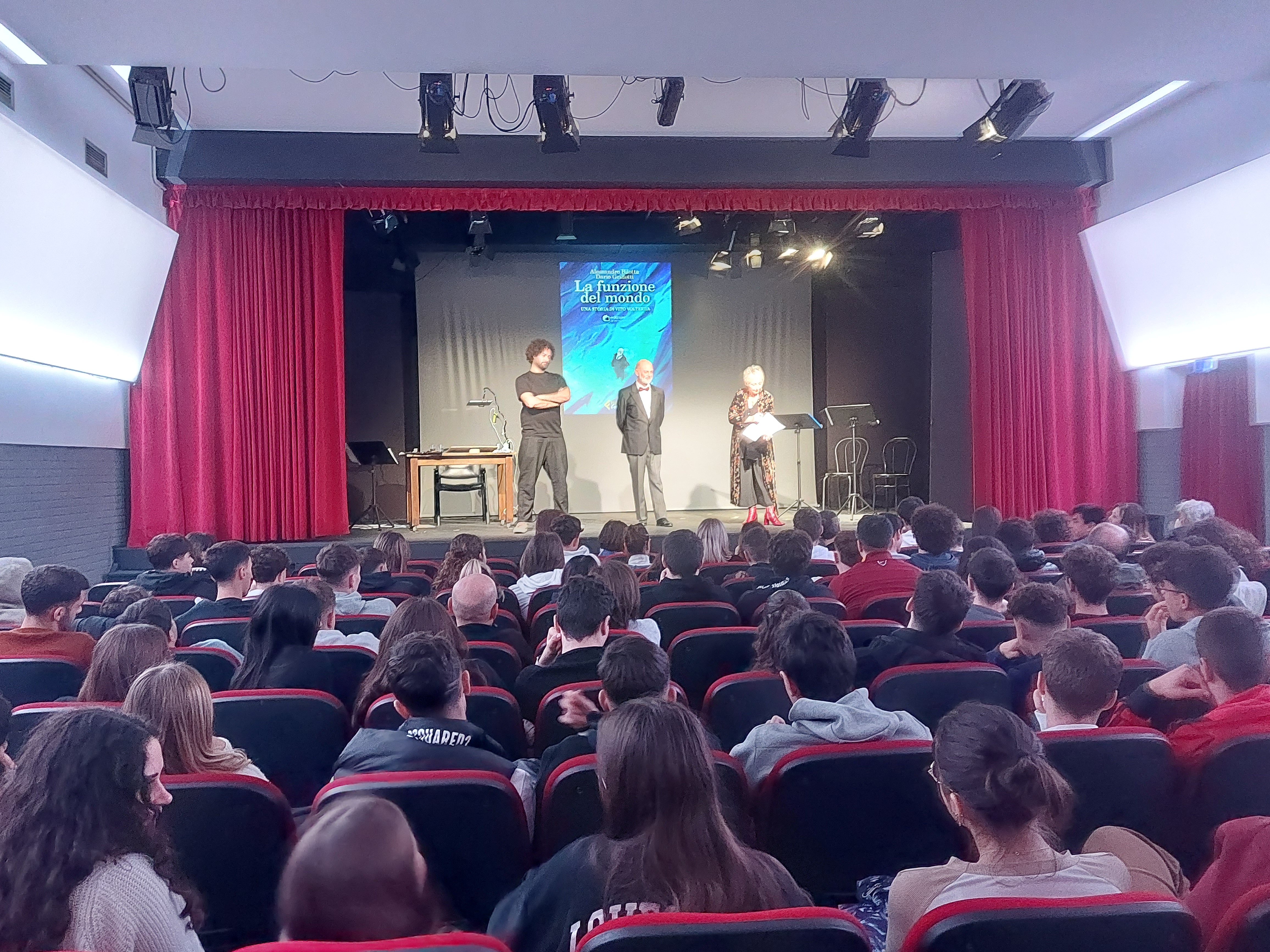
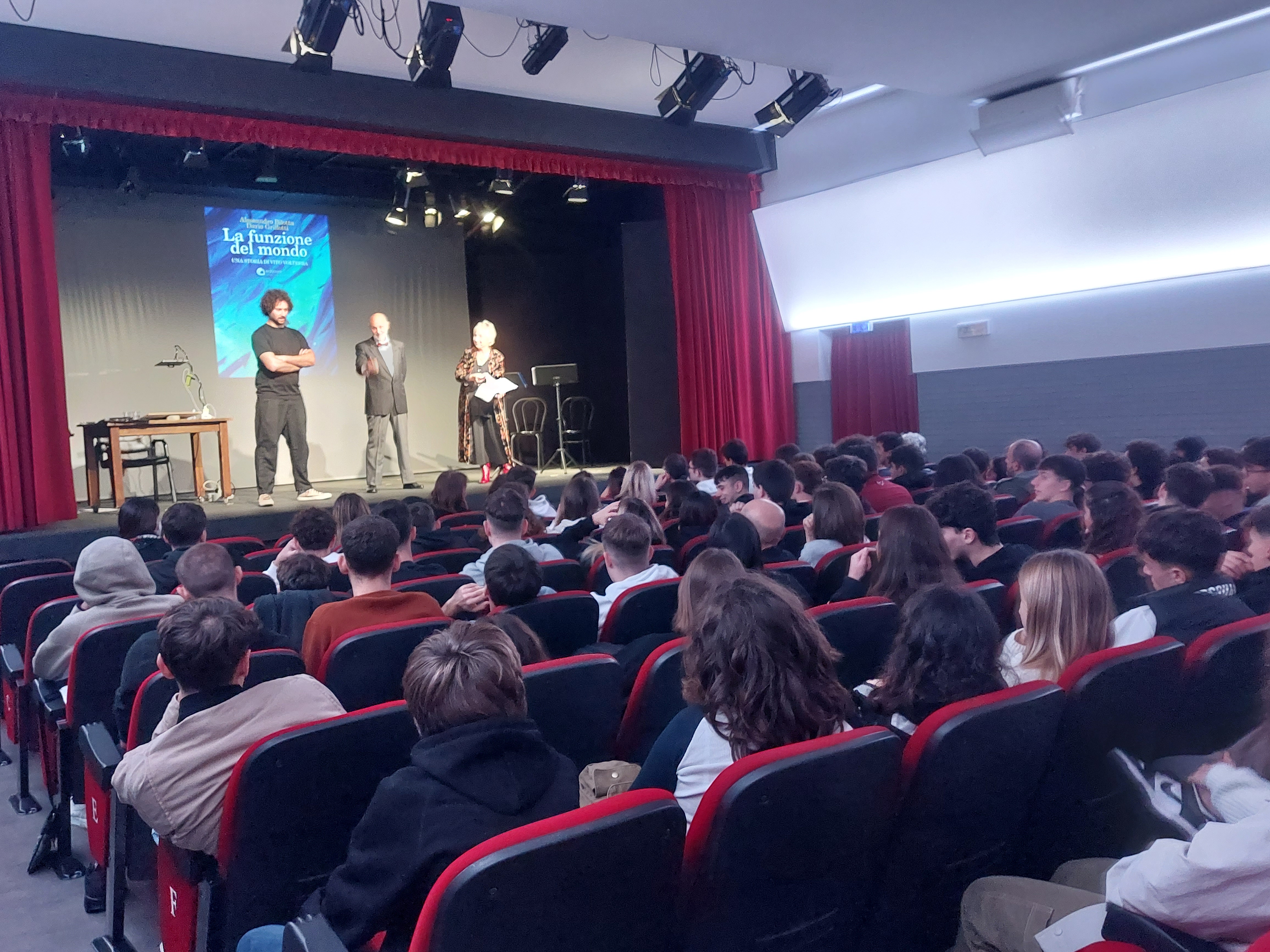
Per celebrare i cento anni del Consiglio Nazionale delle Ricerche, l’IAC - Istituto per le Applicazioni del Calcolo “Mauro Picone” del CNR, il 10 novembre, al Teatro 7 di Roma, presenta un originale spettacolo sul suo fondatore, il matematico Vito Volterra, in collaborazione con la compagnia PACTA di Milano e Symmaceo Communications.
"Ma a che serve la matematica?" al CNR IAC di Napoli
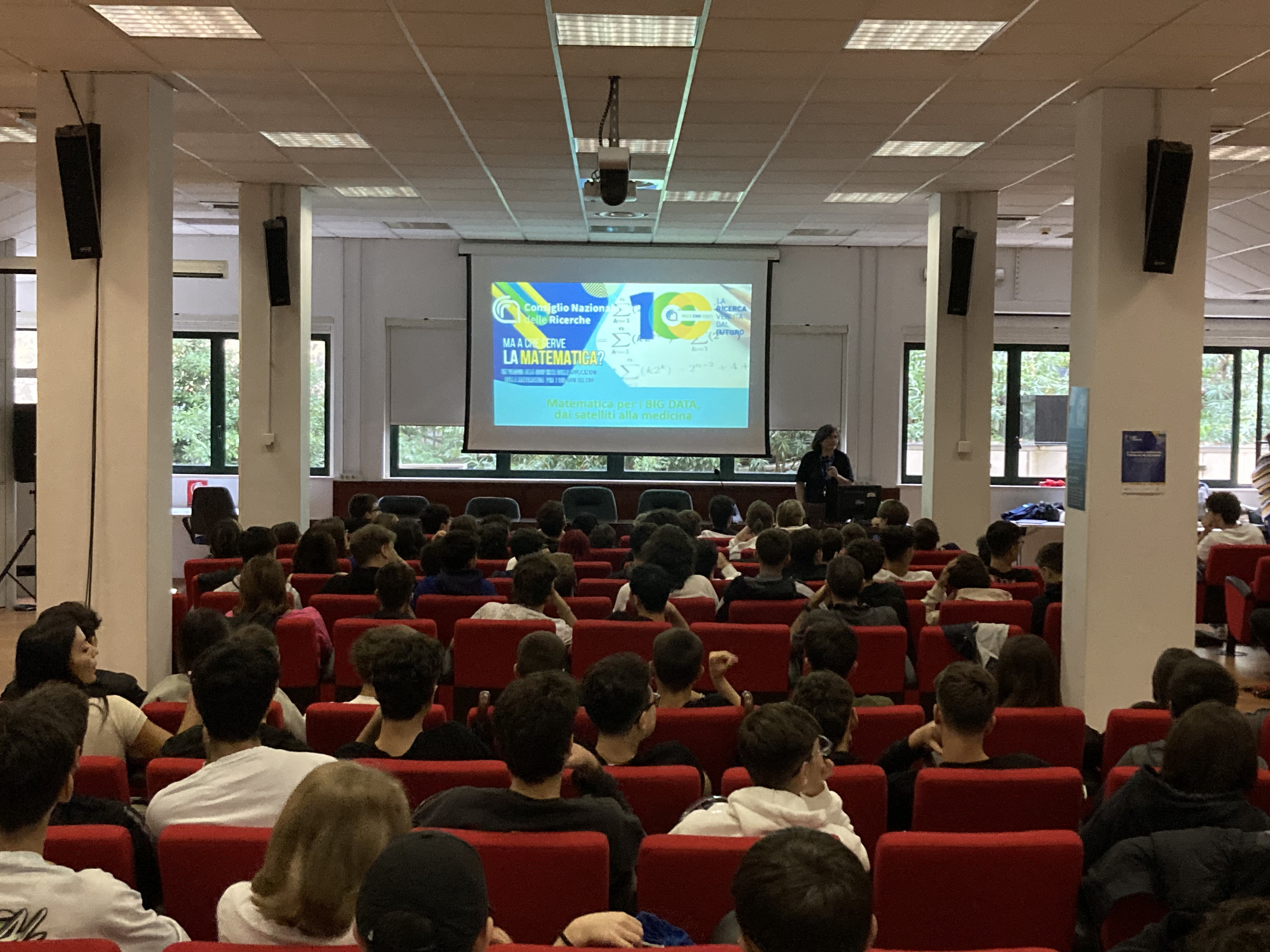
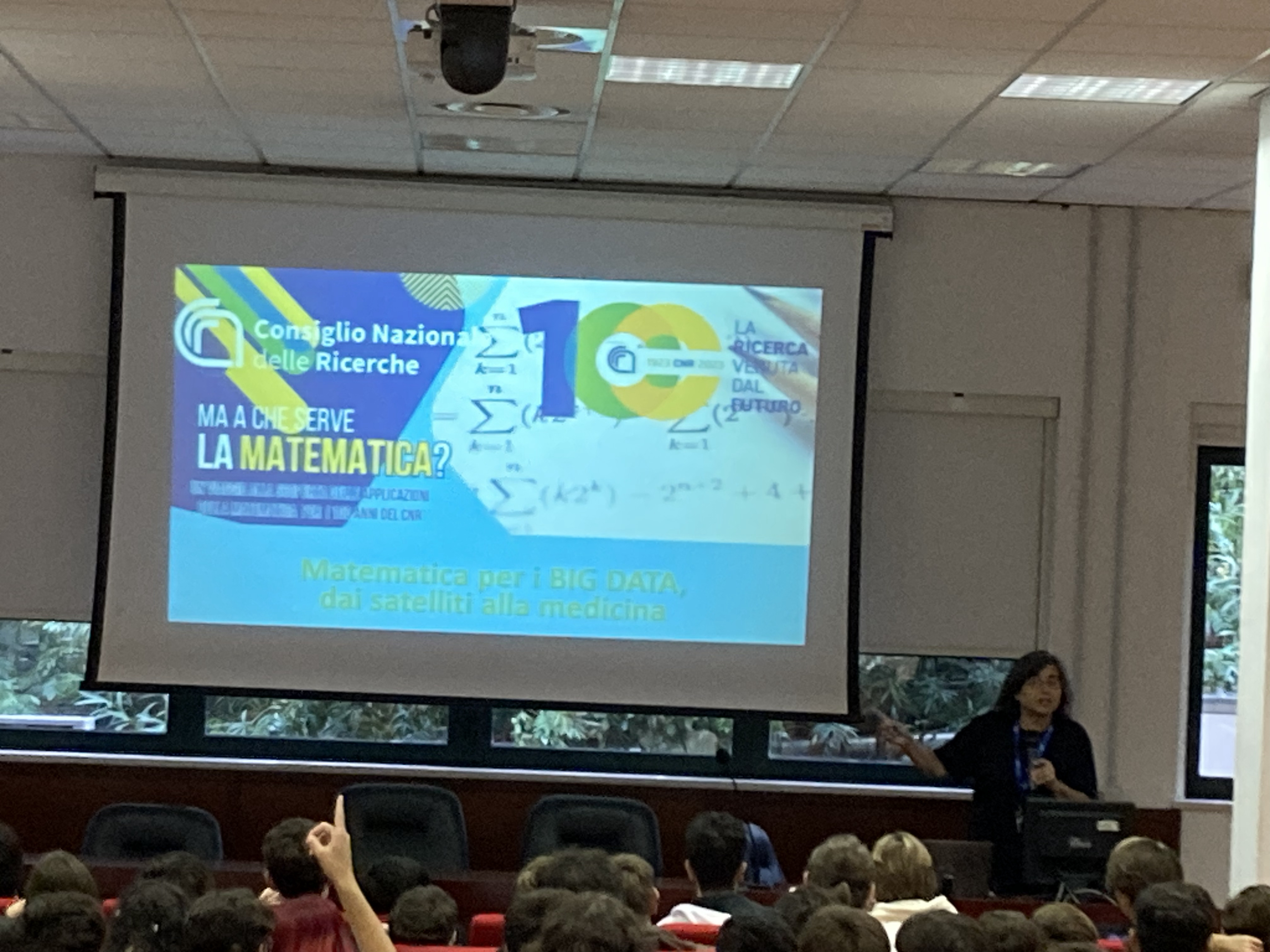
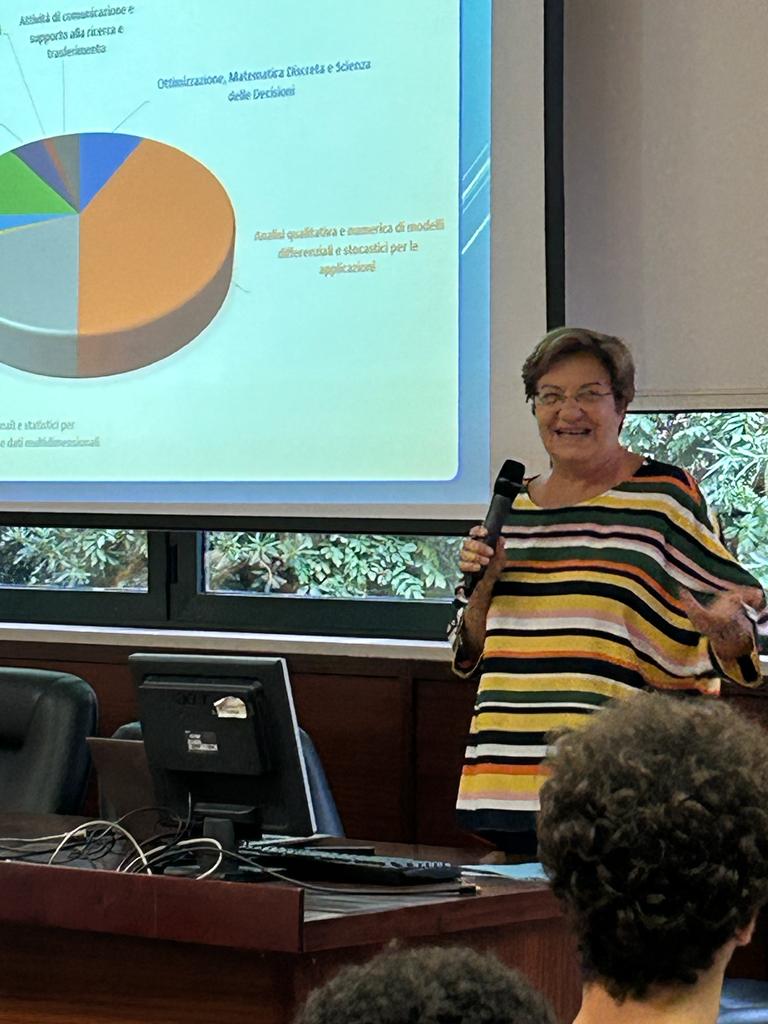
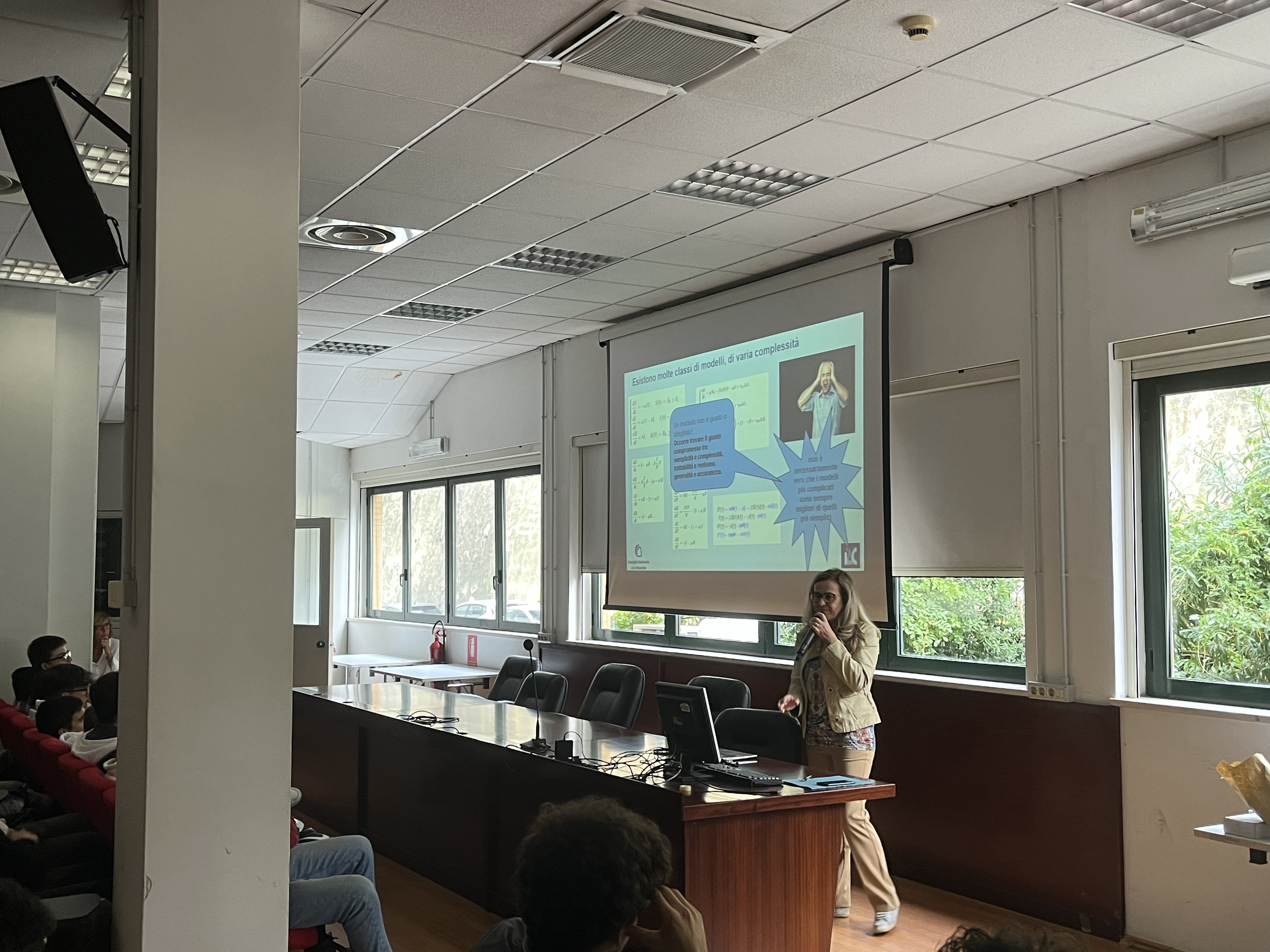
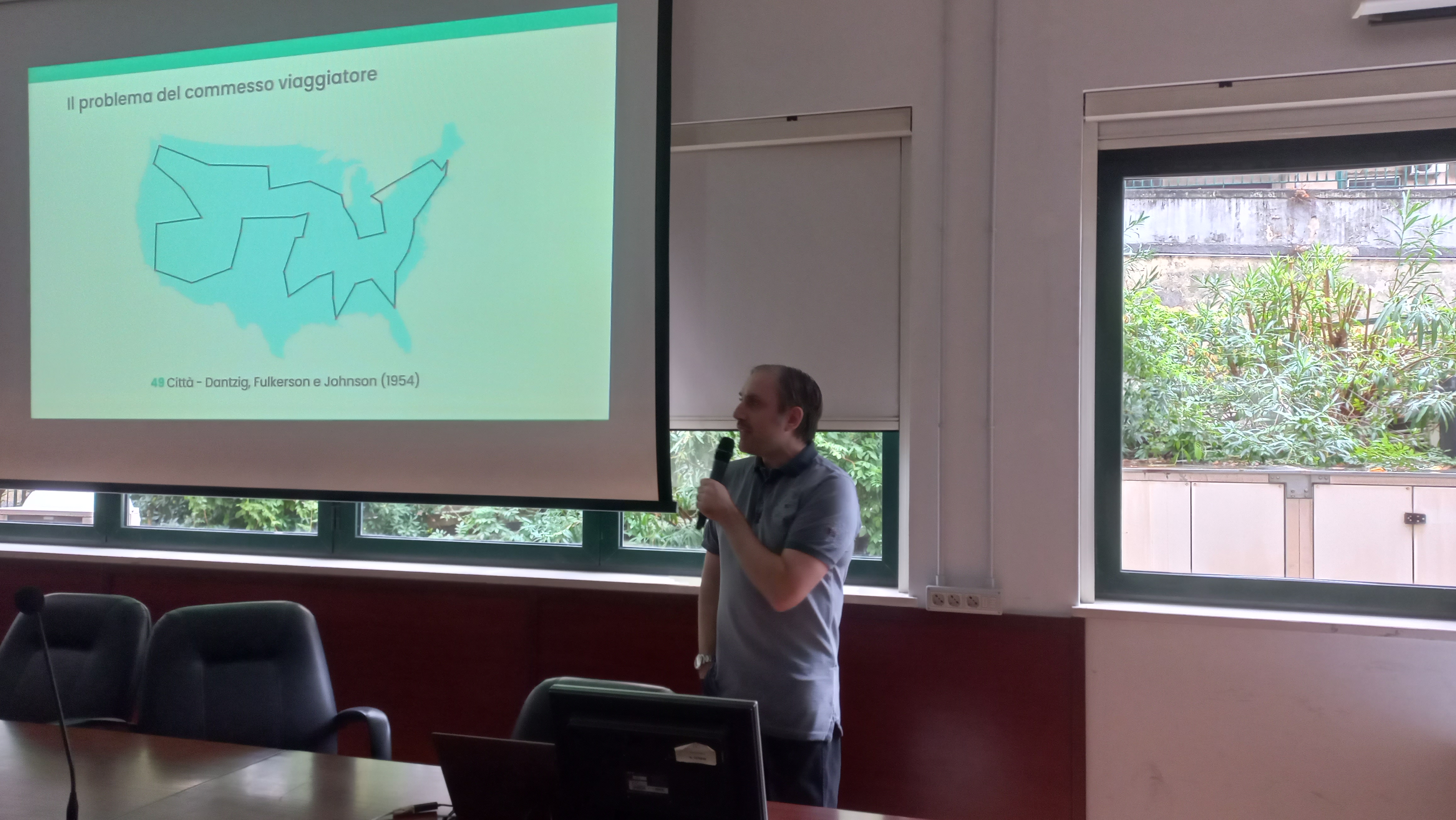
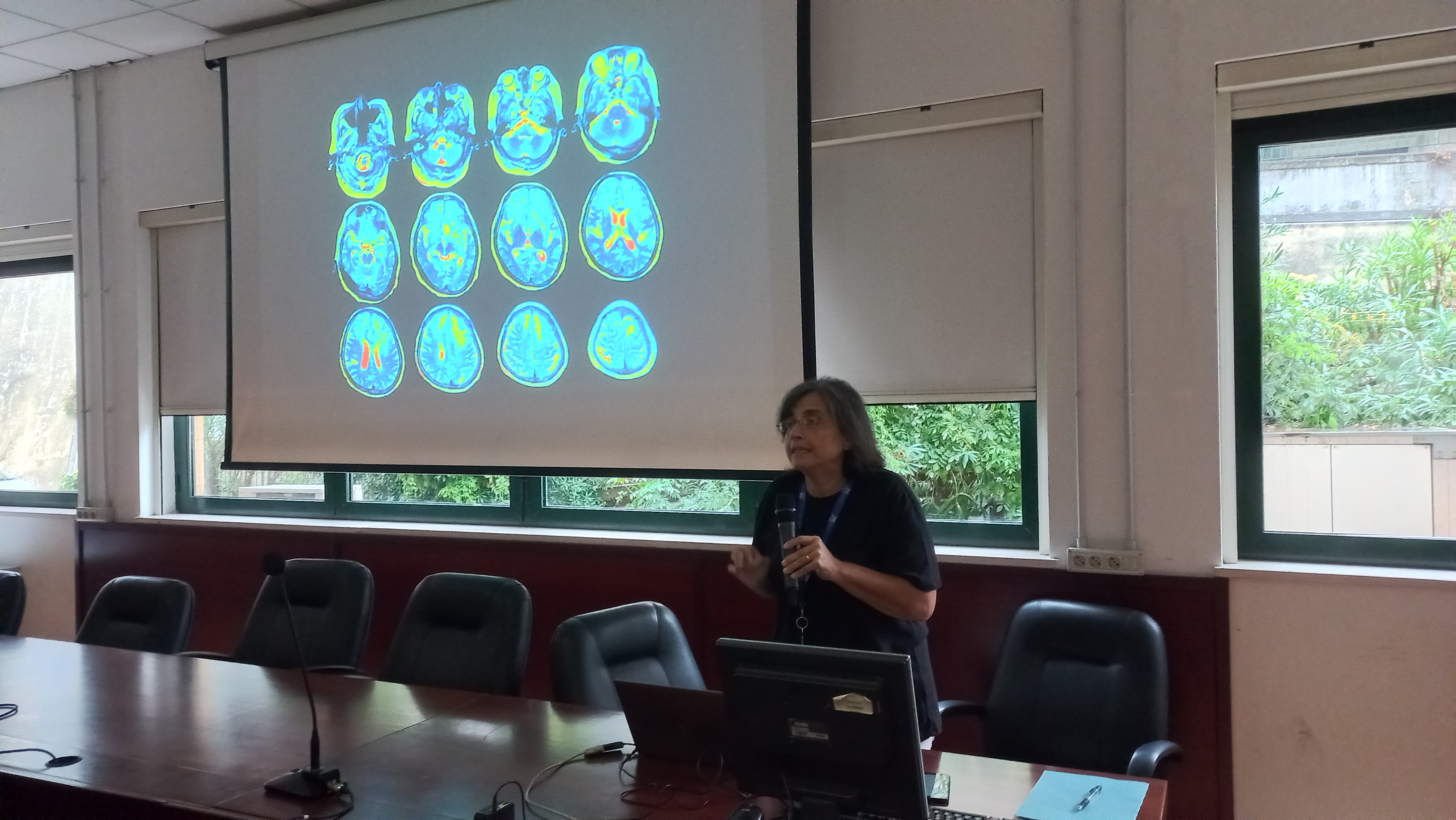
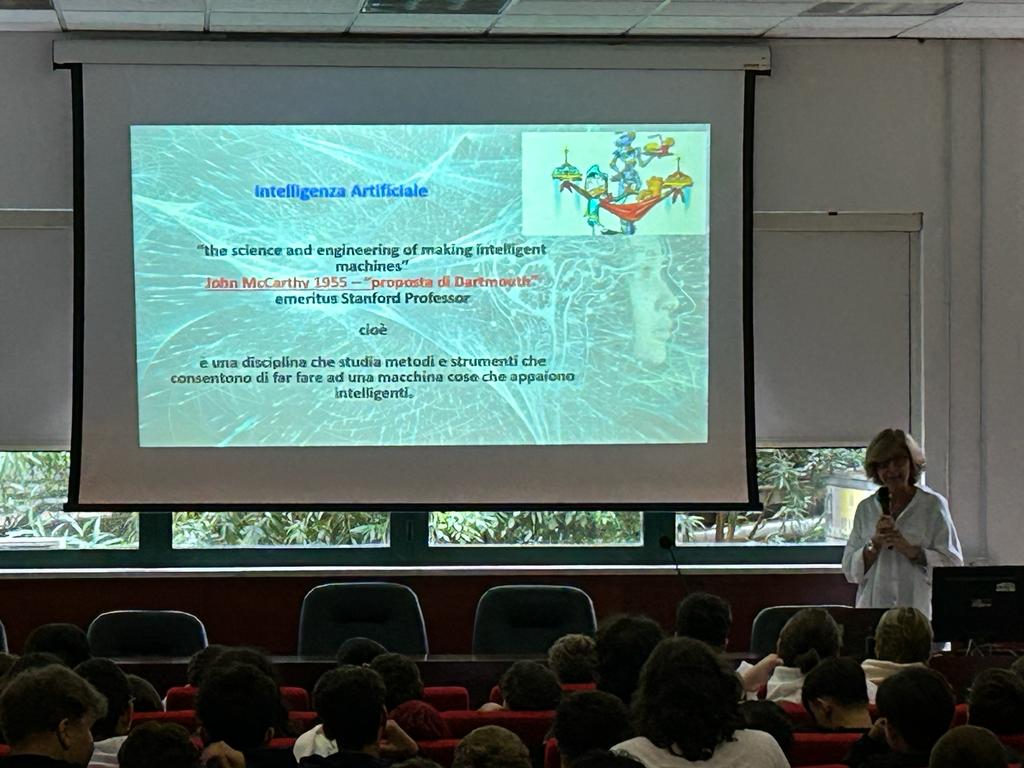
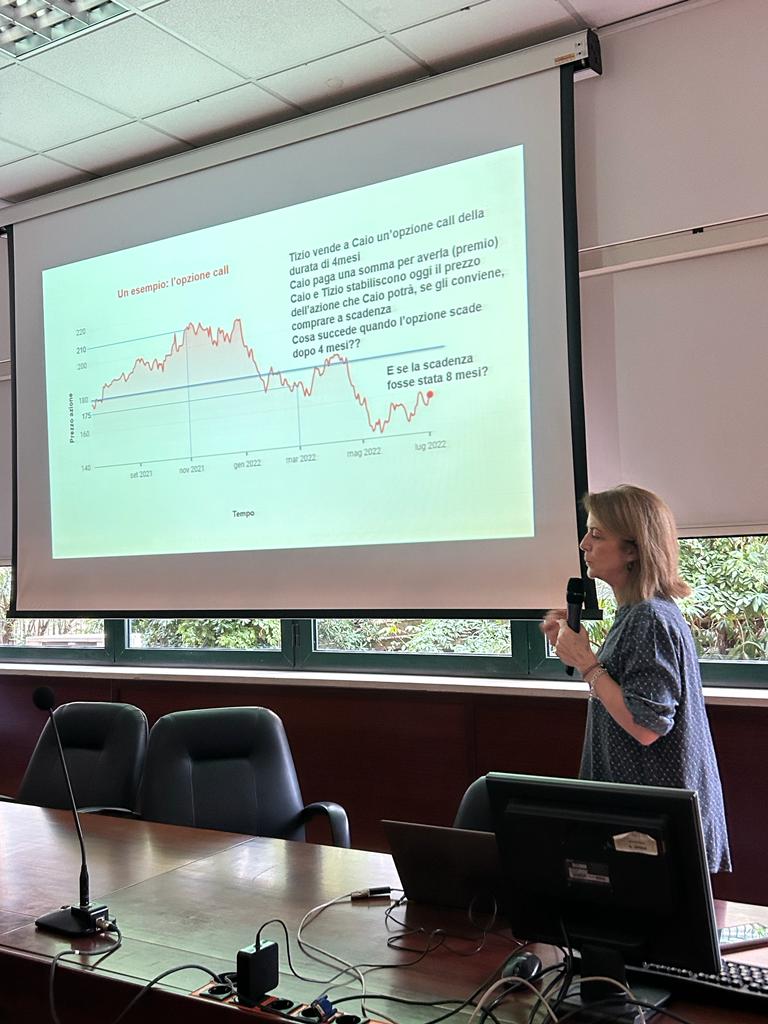
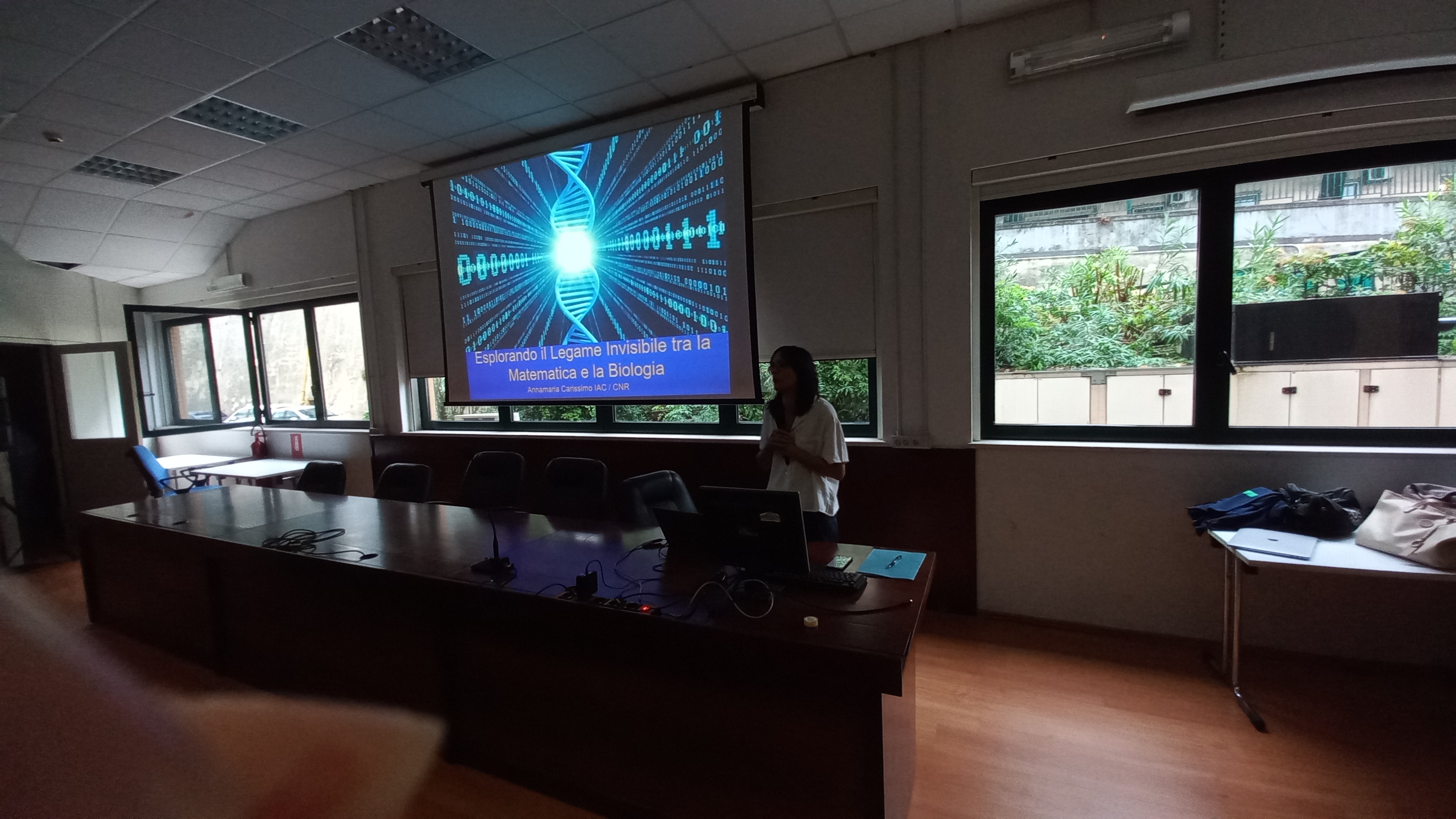
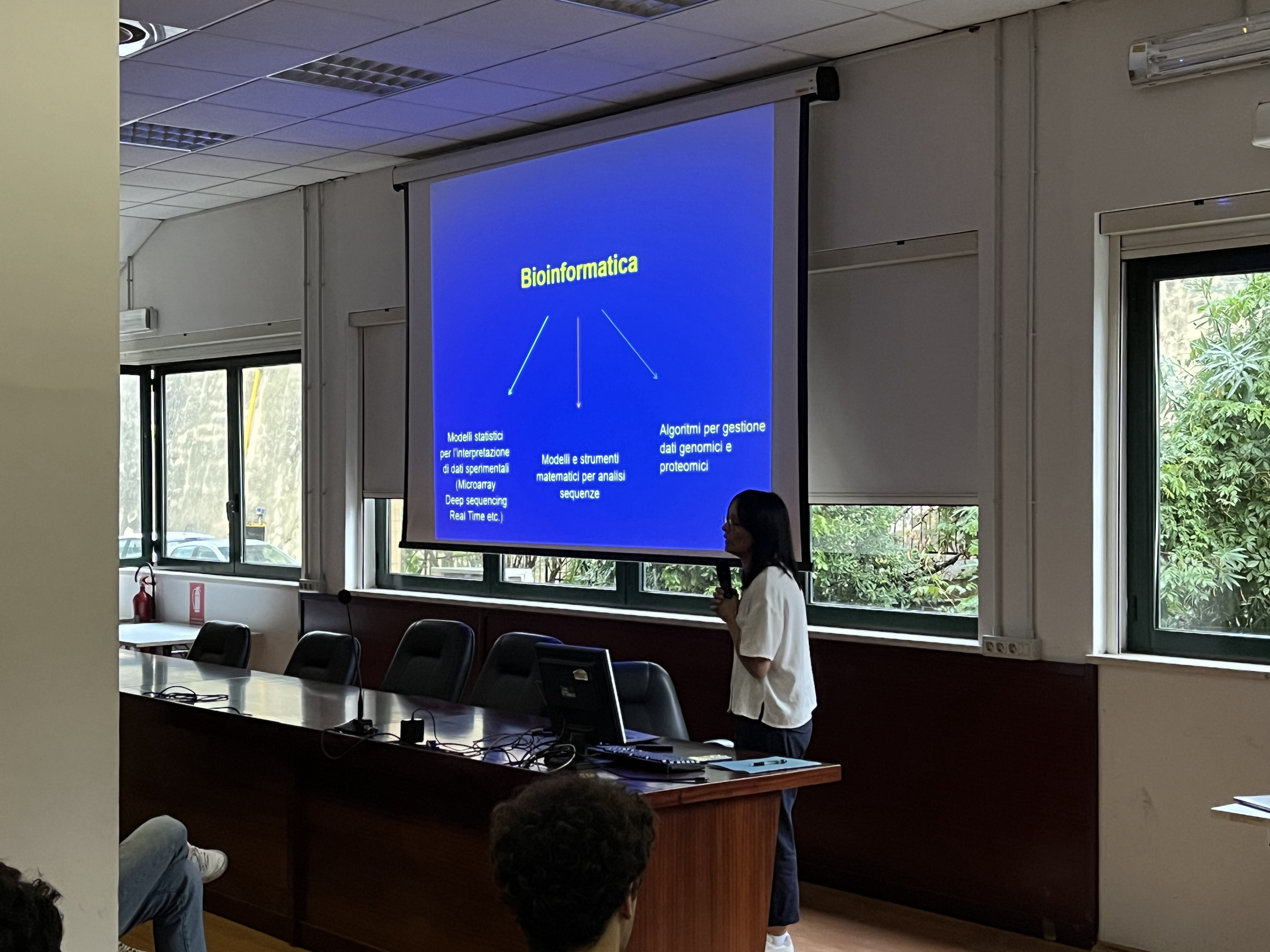
Dopo il successo della giornata al CNR IAC di Firenze, continua il nostro viaggio nel mondo della matematica. Questa volta saranno gli studenti delle scuole secondarie superiori di Napoli a festeggiare con noi i 100 anni del CNR.
Presso la sede dell'IAC di Napoli, nell'Area della Ricerca Napoli 1 di via Pietro Castellino 111, brevi talk, realizzati da ricercatori dell'istituto, guideranno i ragazzi alla scoperta delle applicazioni della matematica, con un linguaggio chiaro e accessibile a tutti.
Programma
Bando di selezione per un Ricercatore a Tempo determinato presso l'IAC di Napoli
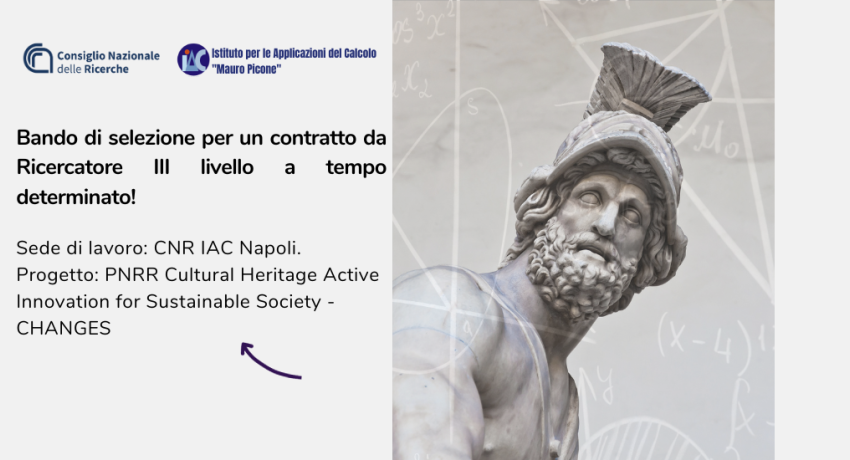
E' aperta una selezione per titoli e colloquio per un posto da Ricercatore III livello presso per l’Istituto per le Applicazioni del Calcolo “Mauro Picone”- sede di Napoli per il progetto PNRR Cultural Heritage Active Innovation for Sustainable Society - CHANGES.
Requisiti:
Roma Math Career Day 2023
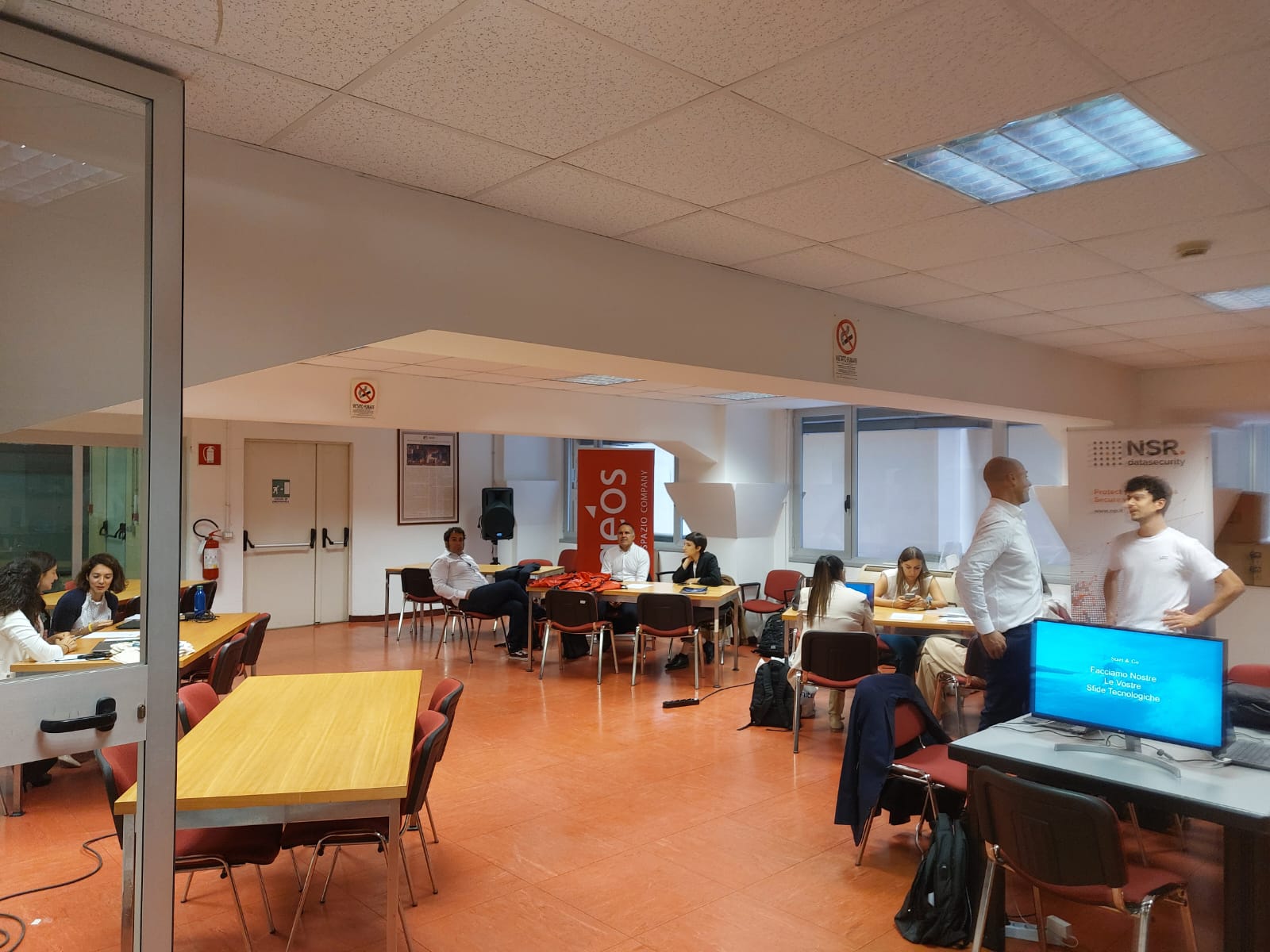
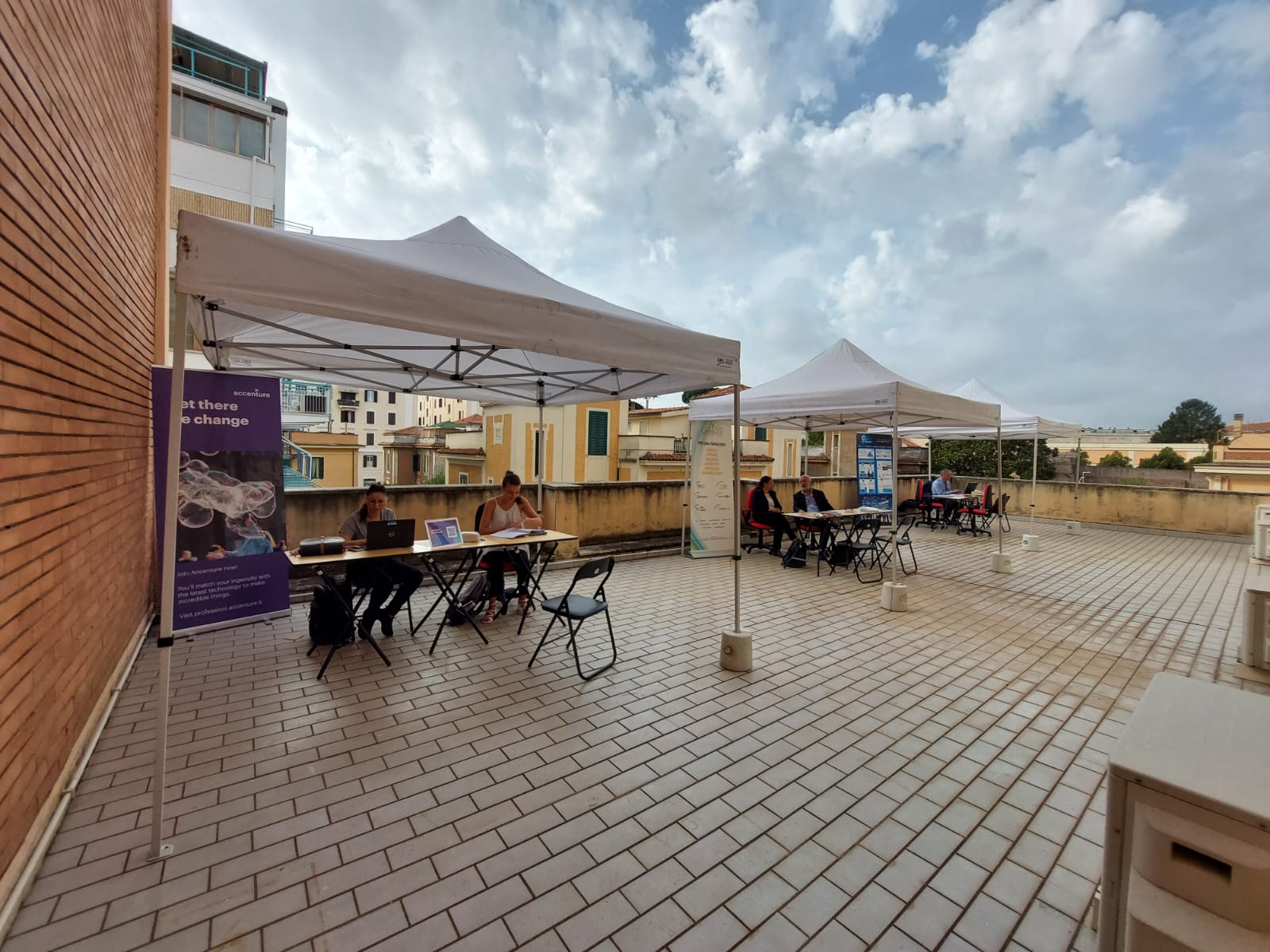
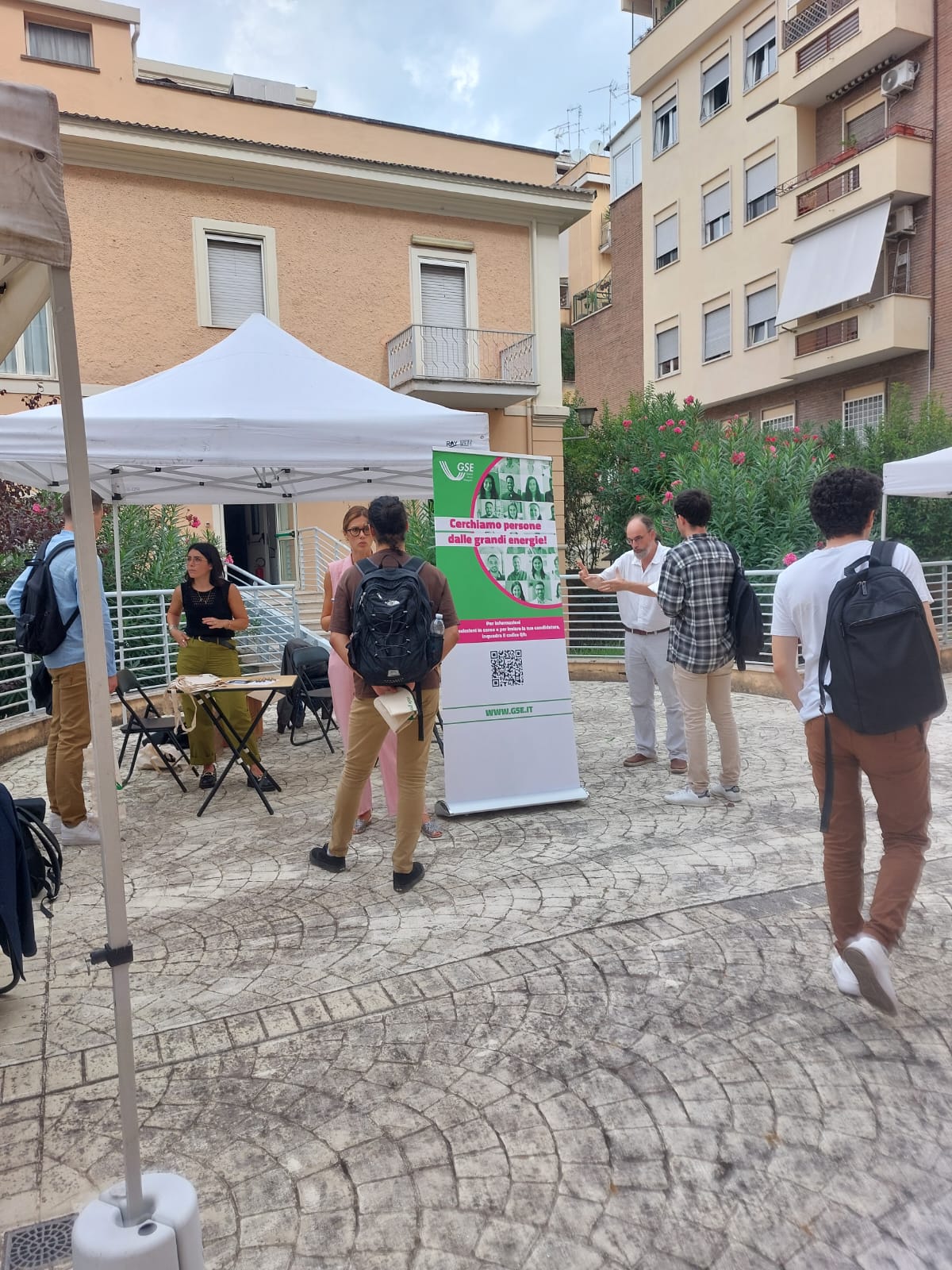
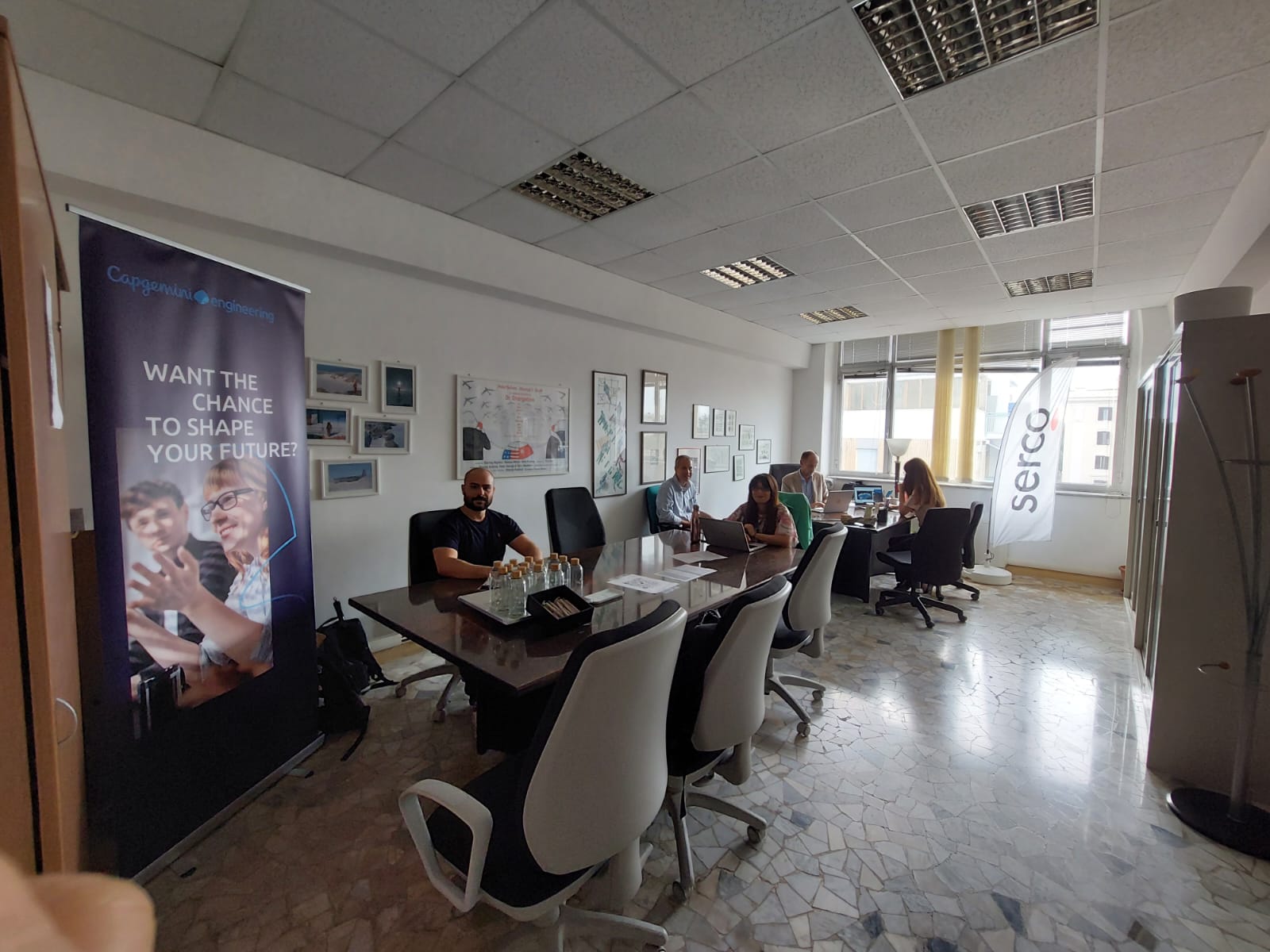
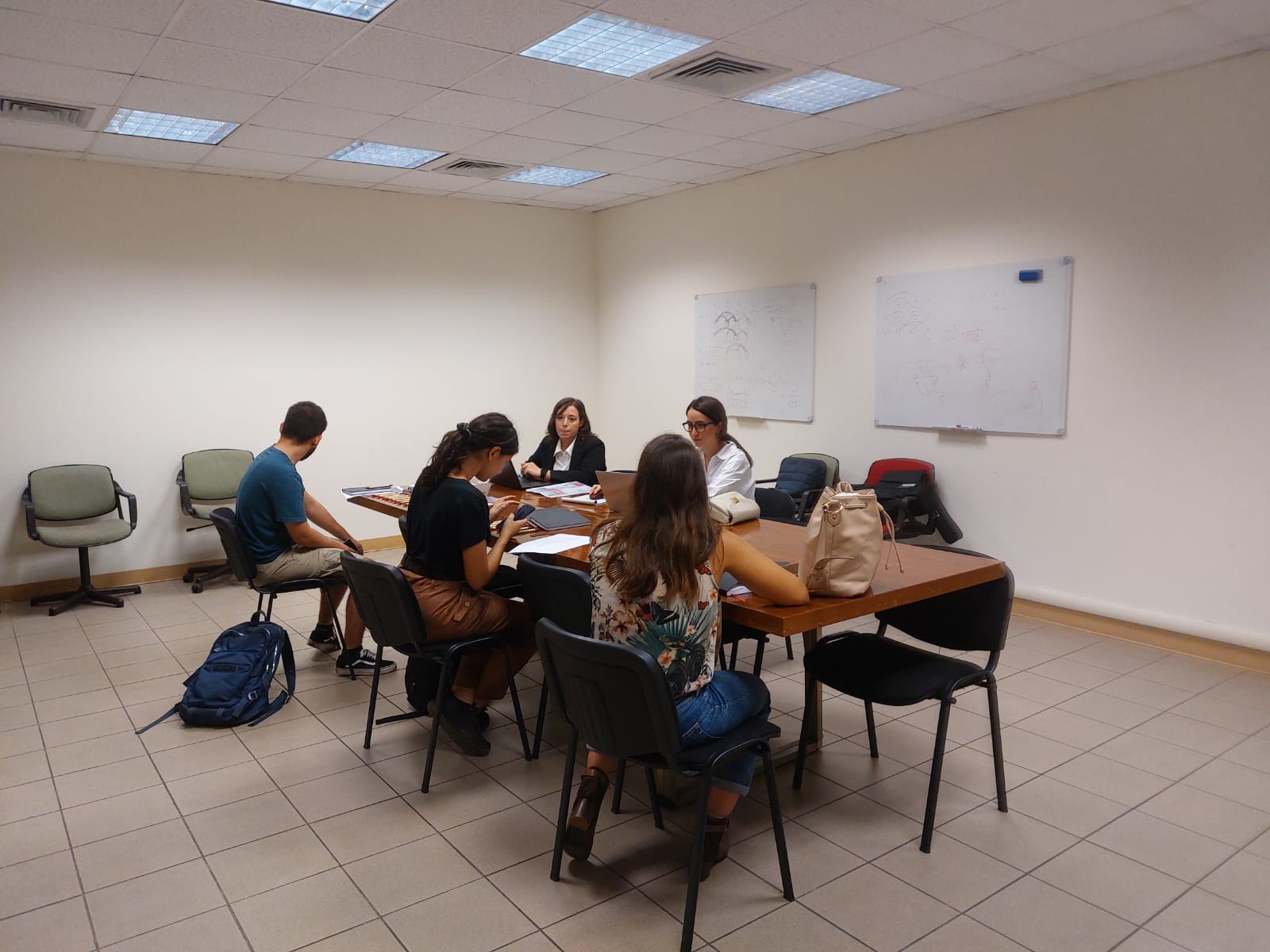
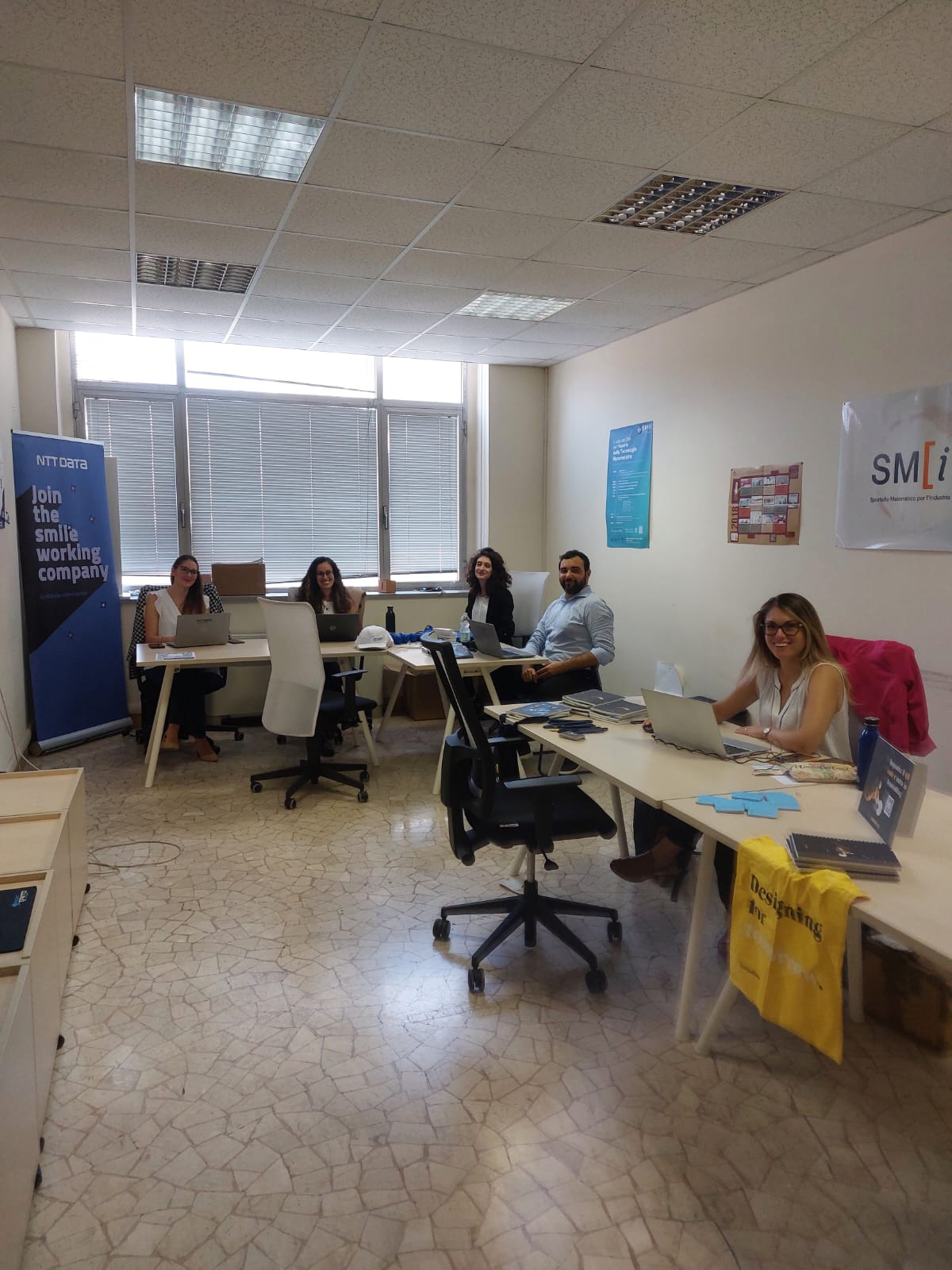
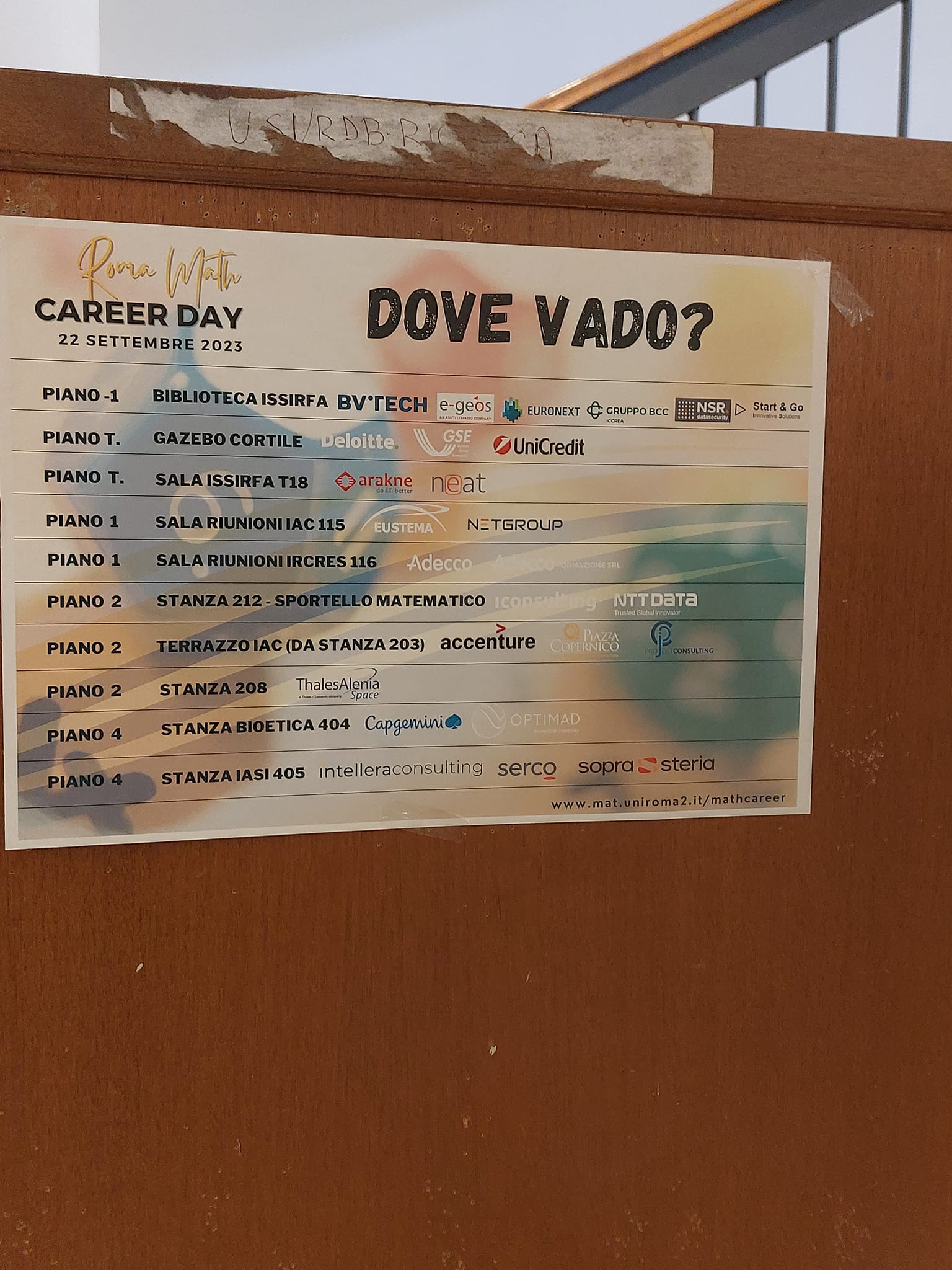
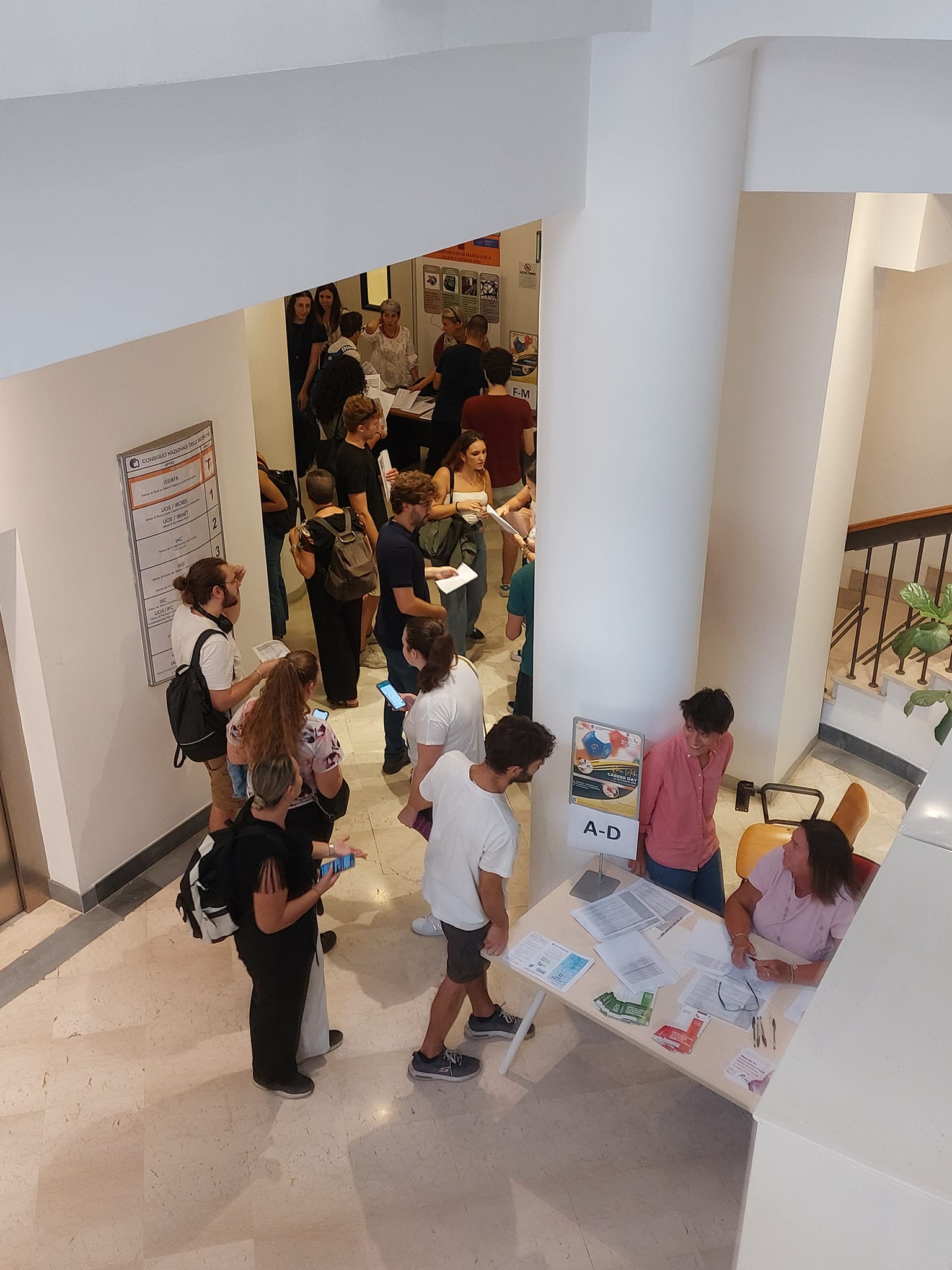
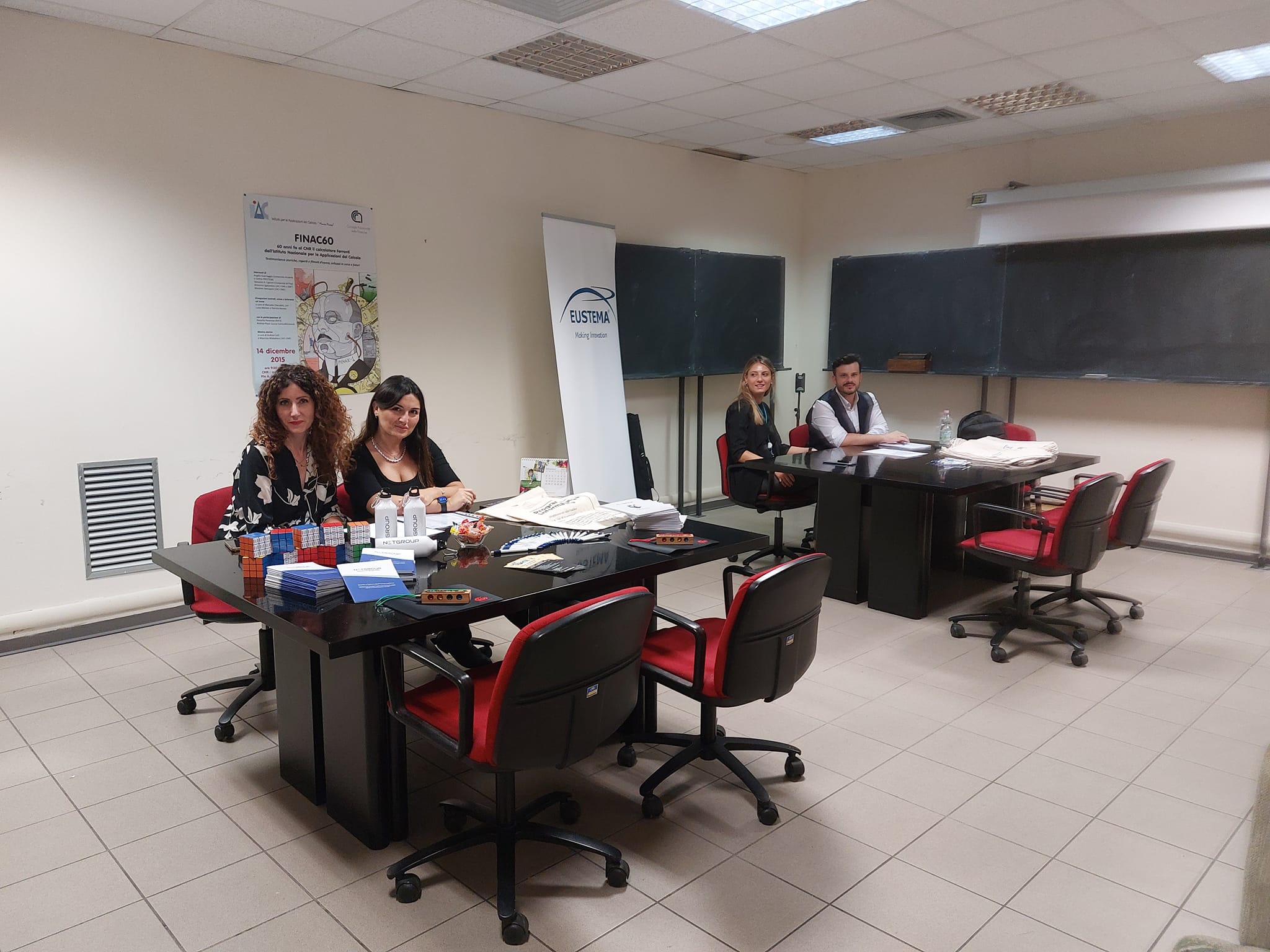
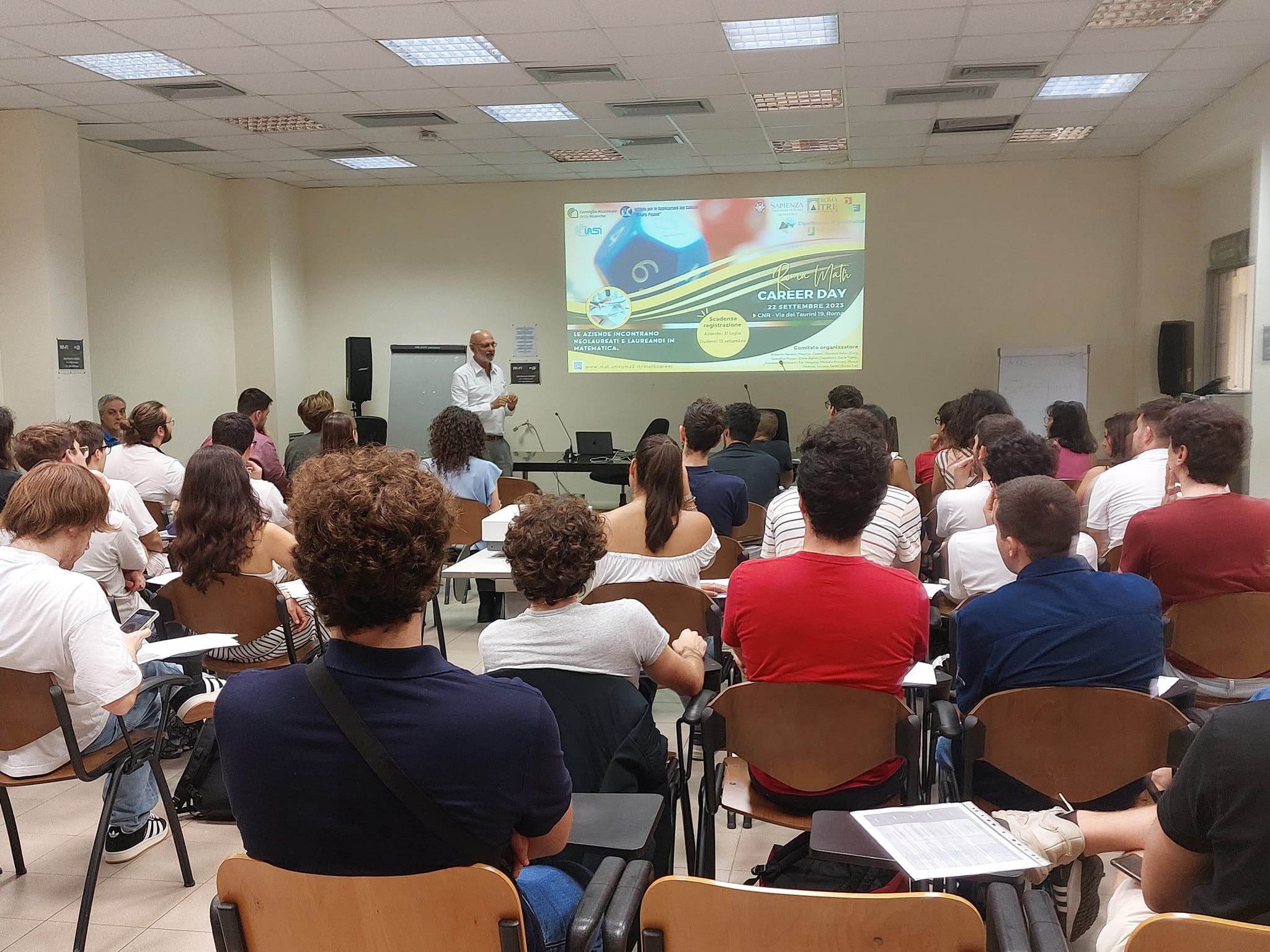
Torna il Roma Math Career Day, l'evento dedicato a neolaureati e laureandi in matematica che vogliano confrontarsi direttamente con aziende potenzialmente interessate al loro percorso di studi.
Anche in questa seconda edizione, le imprese presenteranno agli studenti le diverse opportunità di carriera per i matematici, anche basandosi sulle esperienze lavorative dei loro dipendenti laureati in questa materia e fornendo, eventualmente, consigli su come arricchire il proprio CV.