




A Futuro Remoto a giocare con la matematica
Anche quest'anno Francesca Carfora, in collaborazione con il CNR ICAR e con CREO CNR Campania REte Outreach partecipa, con due attività, a Futuro Remoto, il Festival di divulgazione della scienza, dedicato a scuole e cittadini, che ogni anno si svolge a Città della Scienza a Napoli.
Di seguito i due appuntamenti in programma:
- 21-22-23 novembre, gioco a squadre, 6 1 genio?
- 23 novembre, conferenza (Più) matematica per tutt*!
L'IAC al BariCode2023
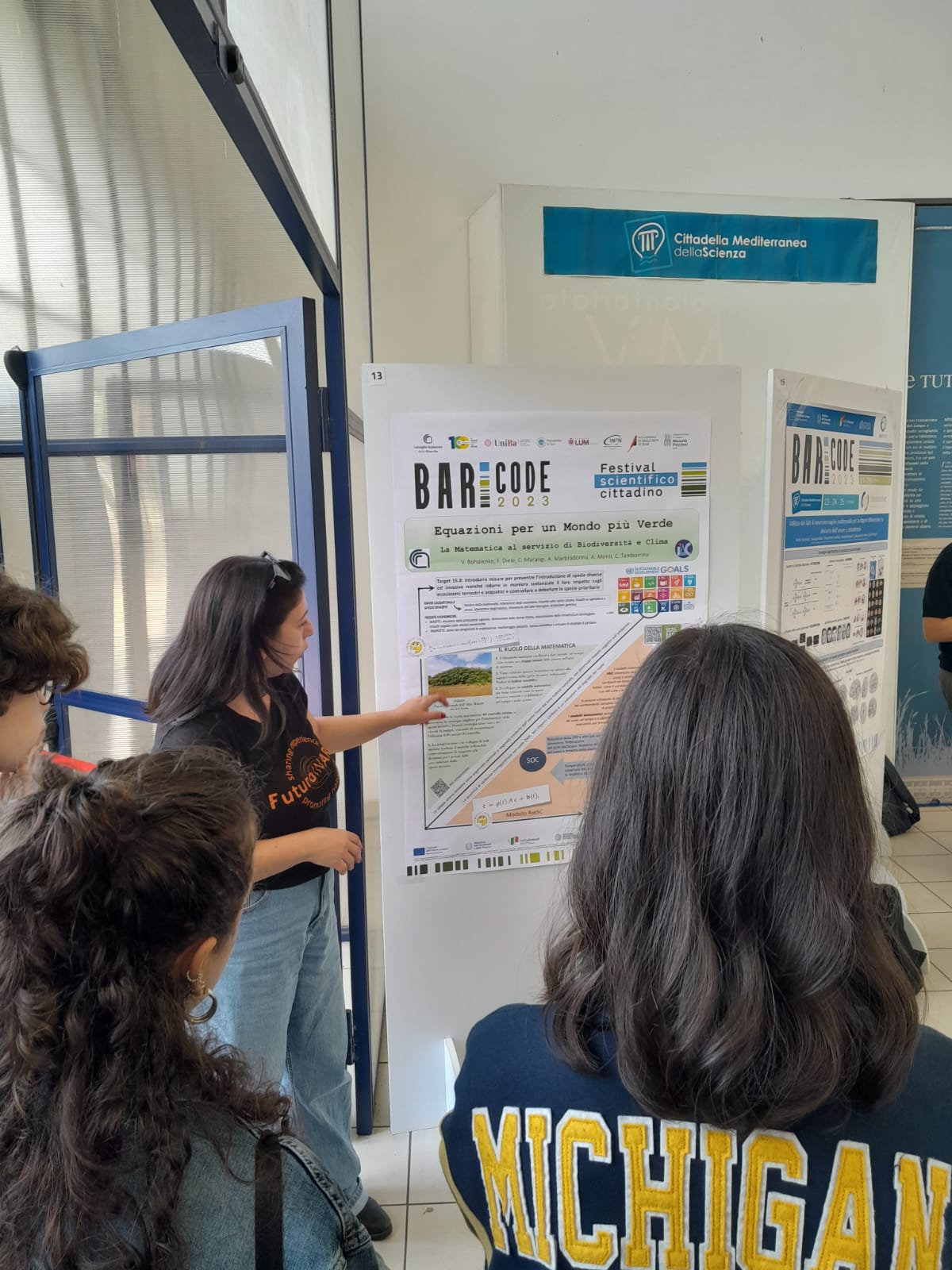
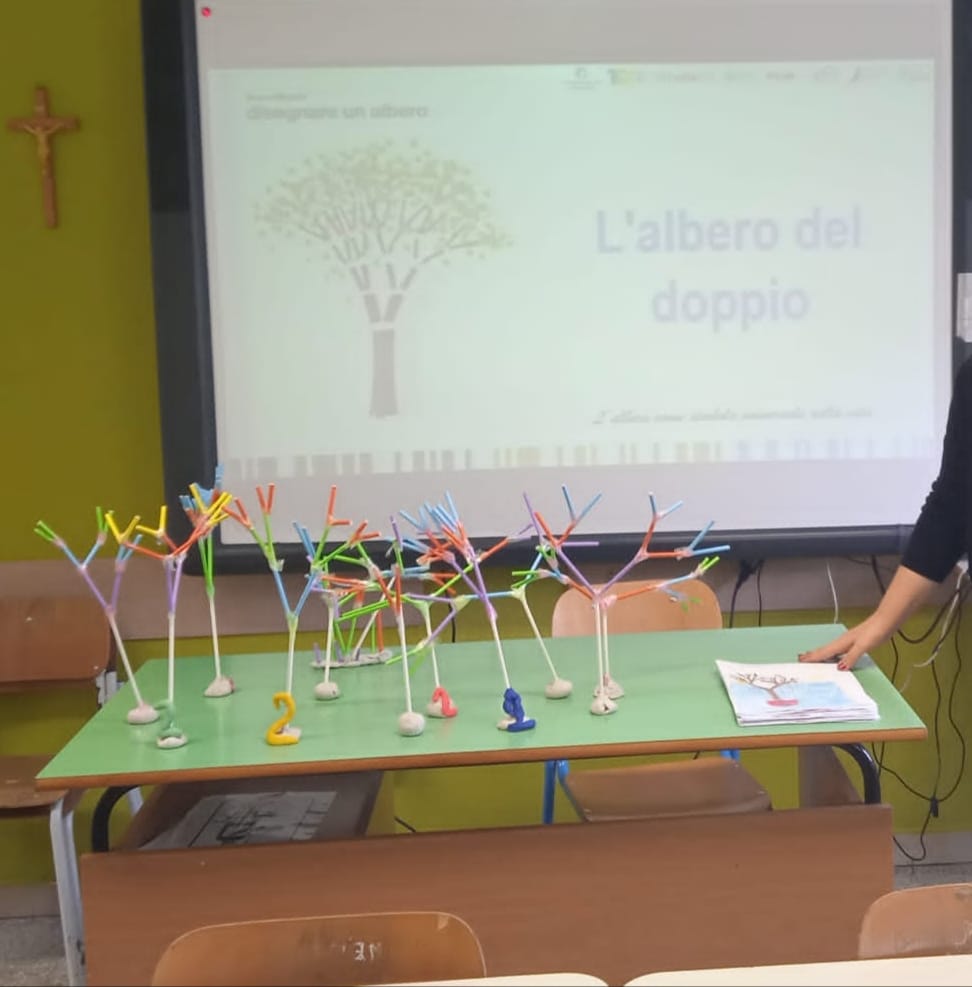
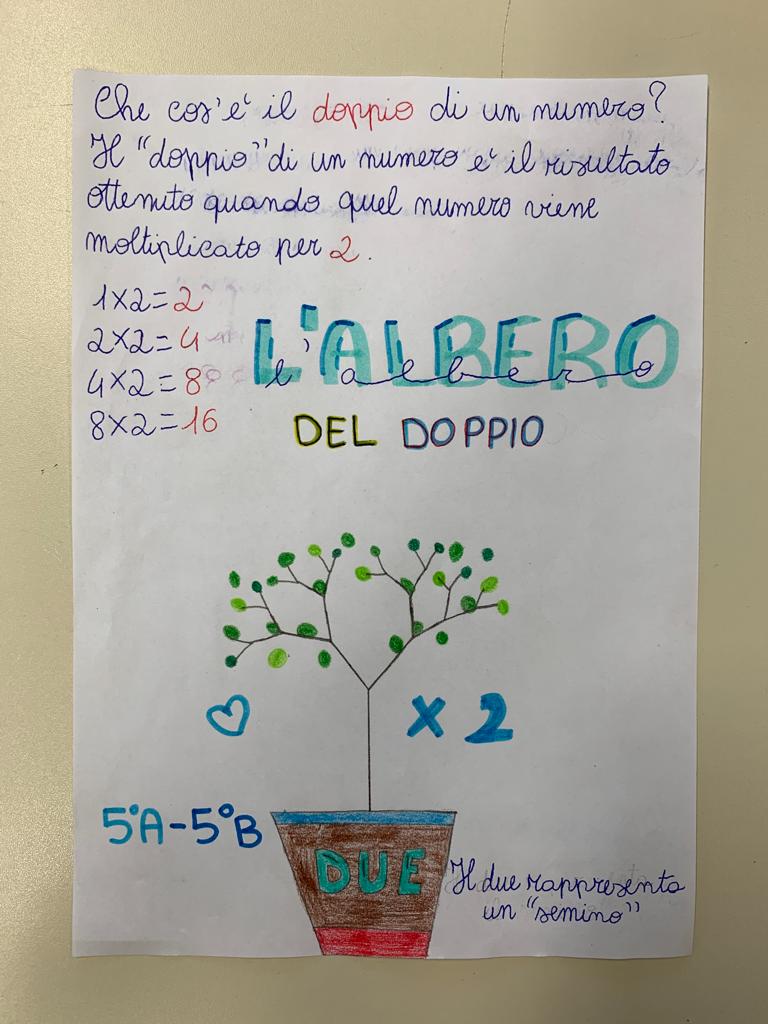
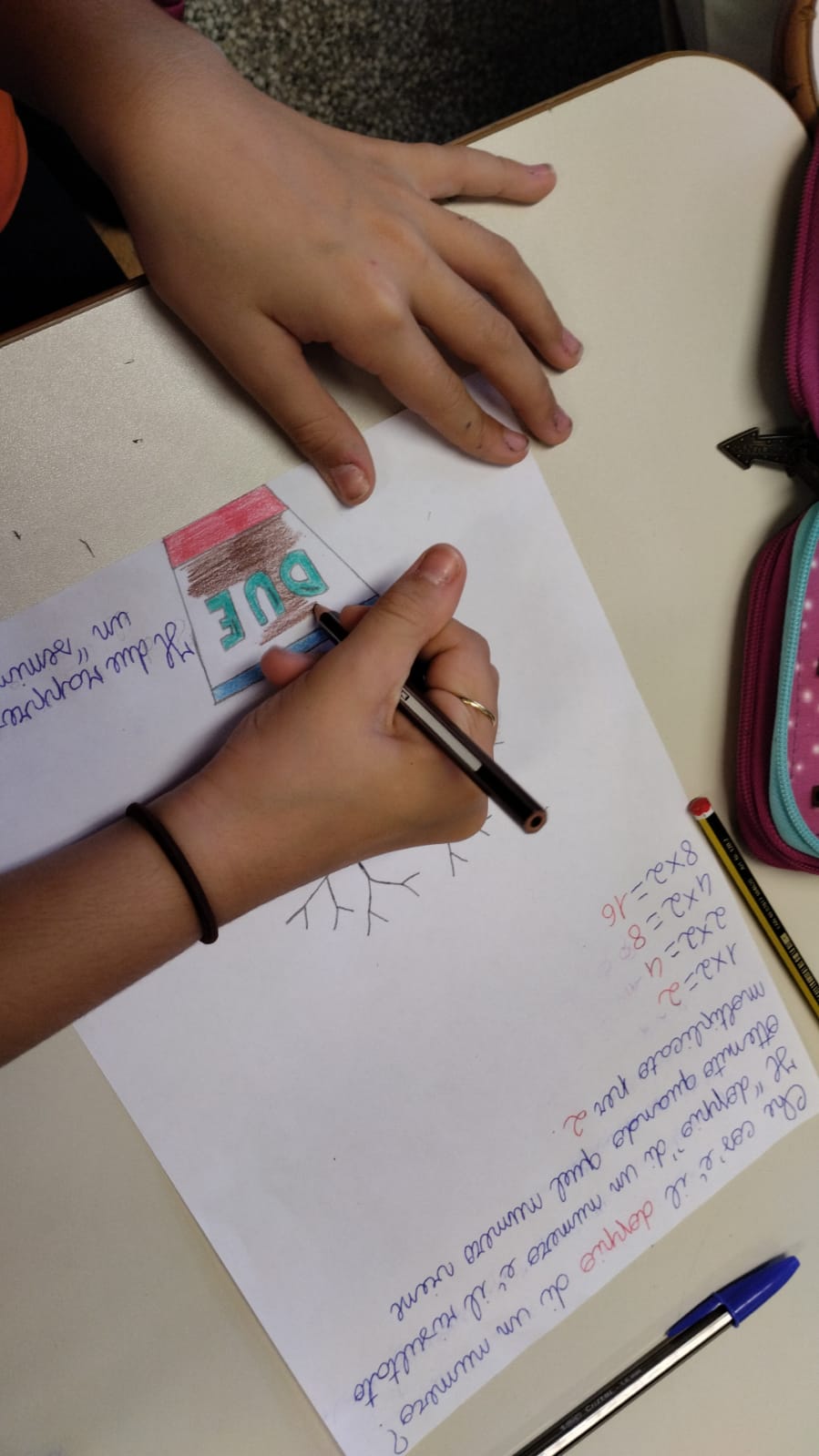
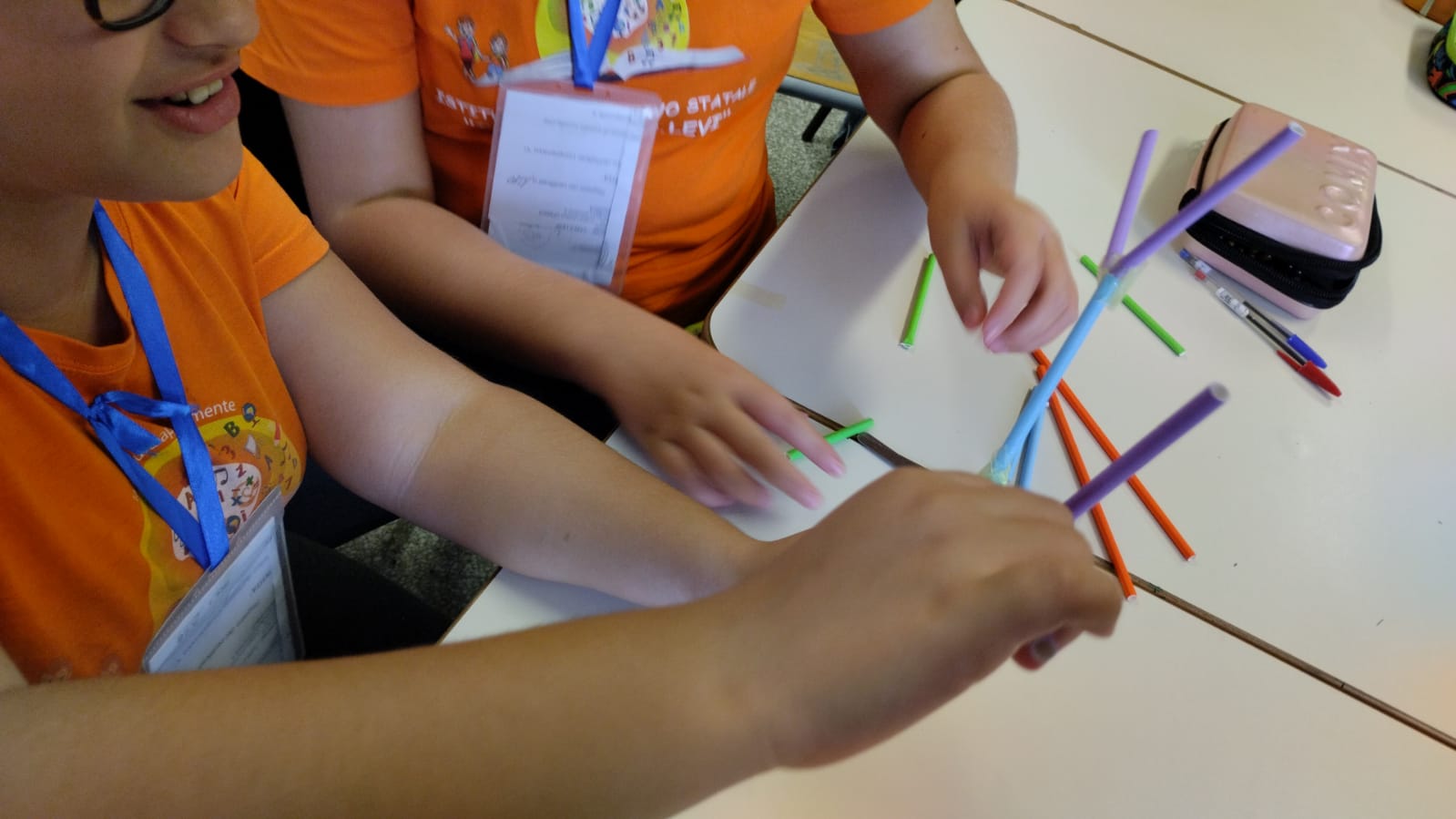
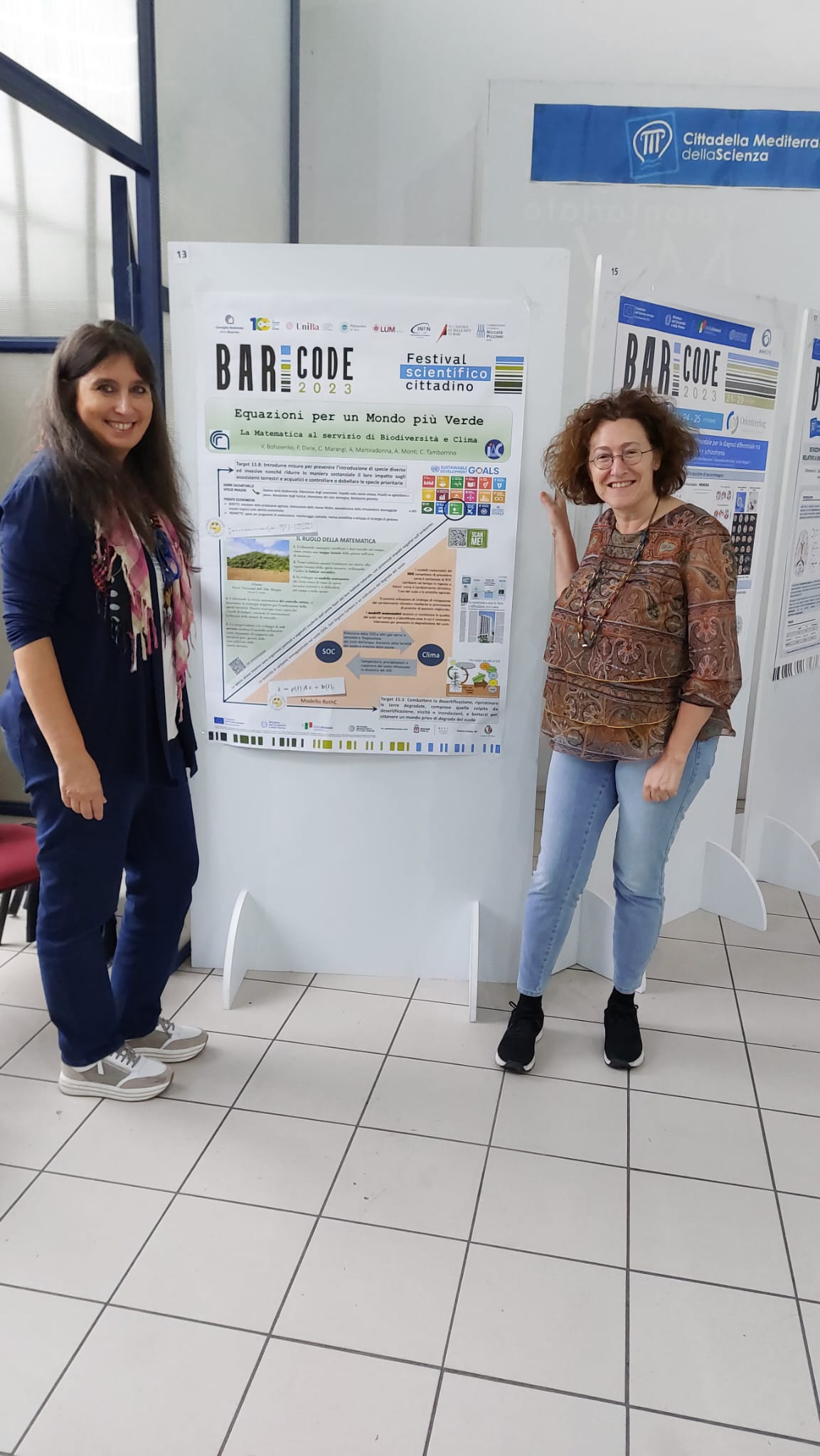
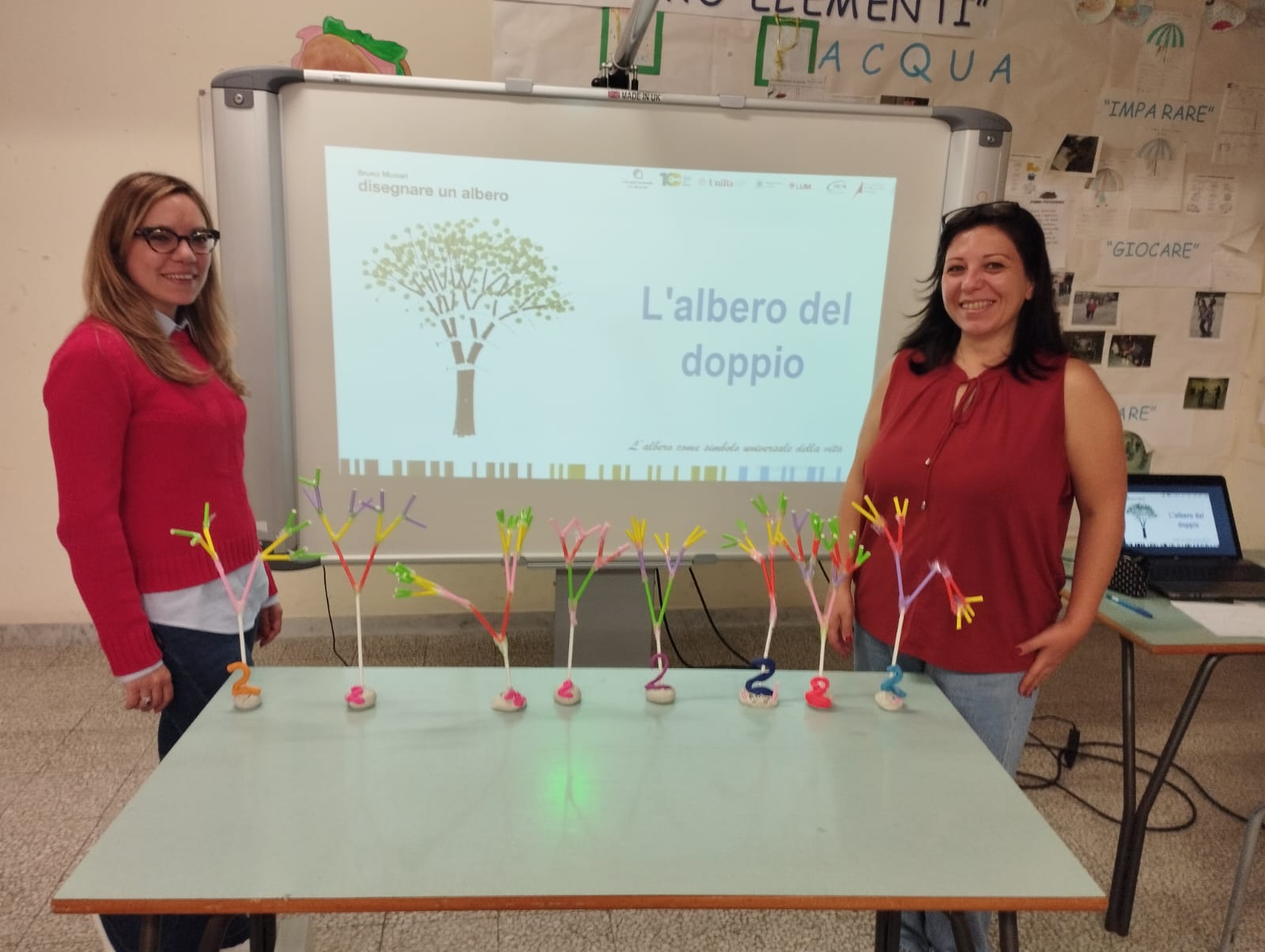
In occasione del Centenario del CNR, a fine ottobre il gruppo di matematica per l'ambiente del CNR IAC ha partecipato al BARICODE 2023 - Festival scientifico cittadino.
ARRIVA AL PACTA. DEI TEATRI DI MILANO LO SPETTACOLO SU VITO VOLTERRA
Dopo lo spettacolo al Teatro 7 di Roma, due nuove repliche per lo spettacolo su Vito Volterra, realizzato dall’IAC - Istituto per le Applicazioni del Calcolo “Mauro Picone” del CNR, per celebrare i cento anni dell'Ente.
Verbale 3/2023
- Comunicazioni del Direttore;
- giornate IAC;
- iniziative per il centenario;
- atto di indirizzo sulle URGO;
- aree disciplinari del CNR;
- nuovi provvedimenti sull'organizzazione contabile degli istituti;
- varie ed eventuali.
2° Seminario Volterra, 15 novembre, 4pm
Il secondo incontro dei Seminari Volterra si terrà nell'aula riunioni al primo piano dell'Istituto per le Applicazioni del Calcolo, CNR, via dei Taurini 19, 00185 Roma.
L'IAC al C&S Palace a Lucca
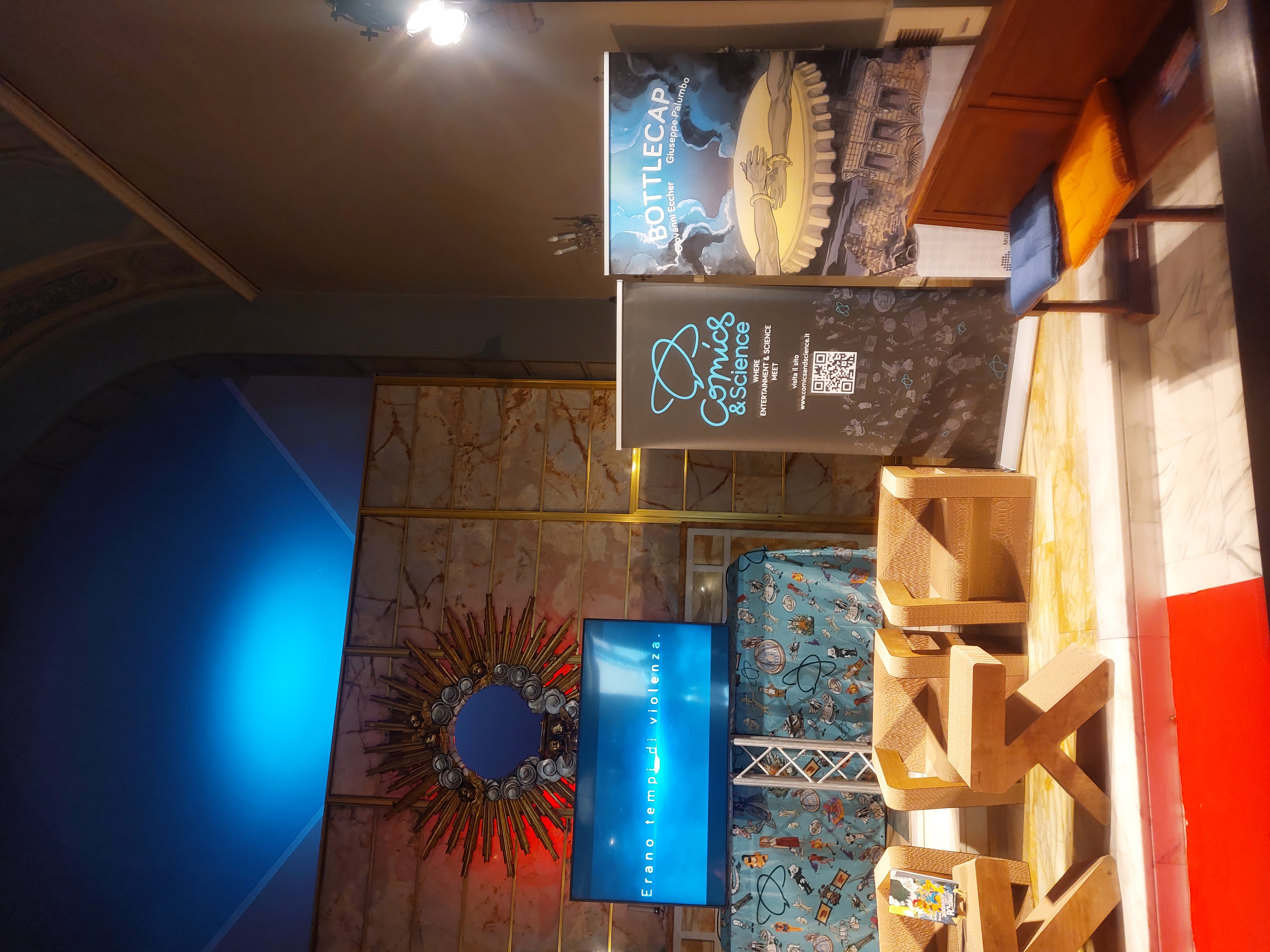
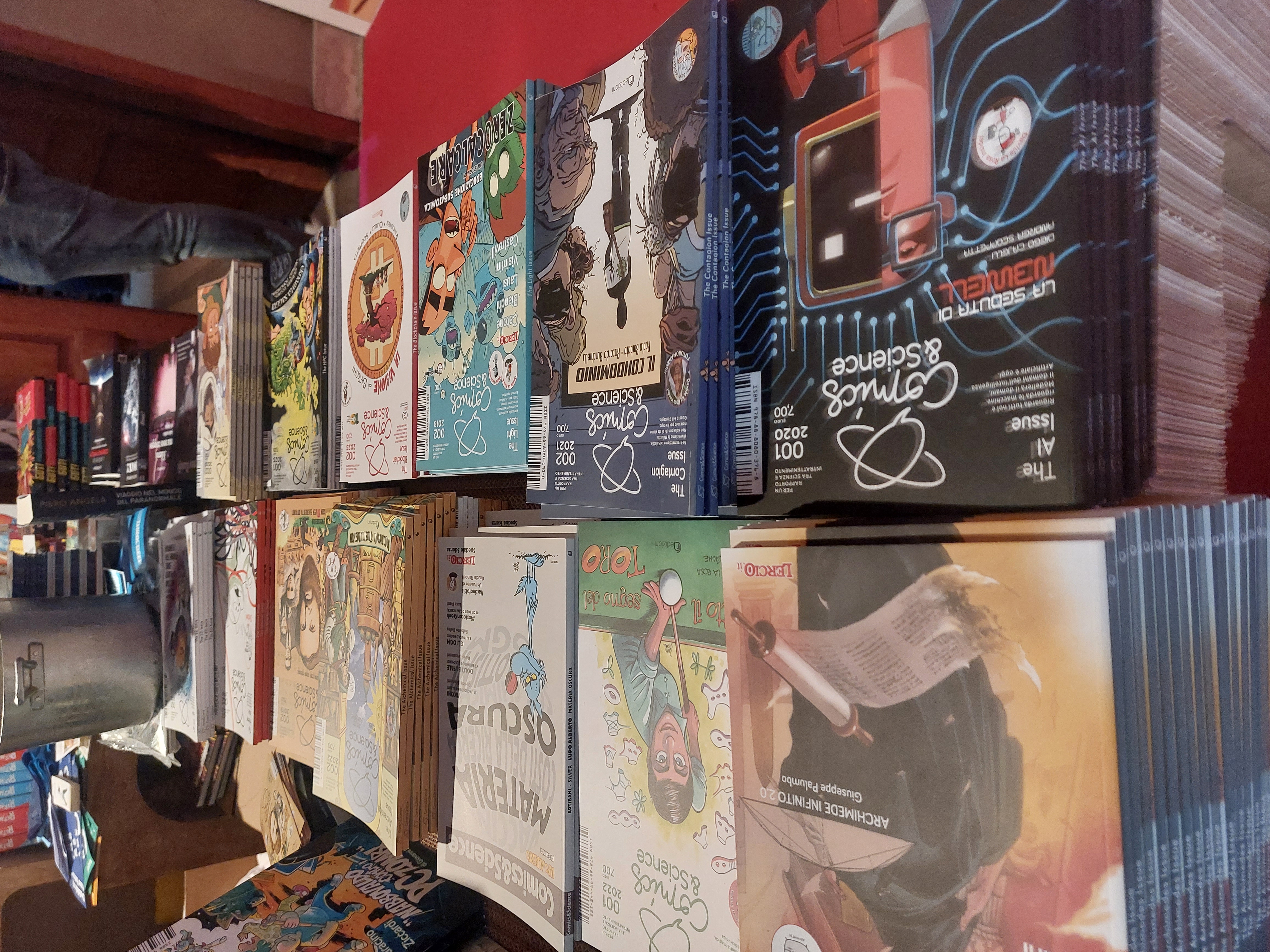
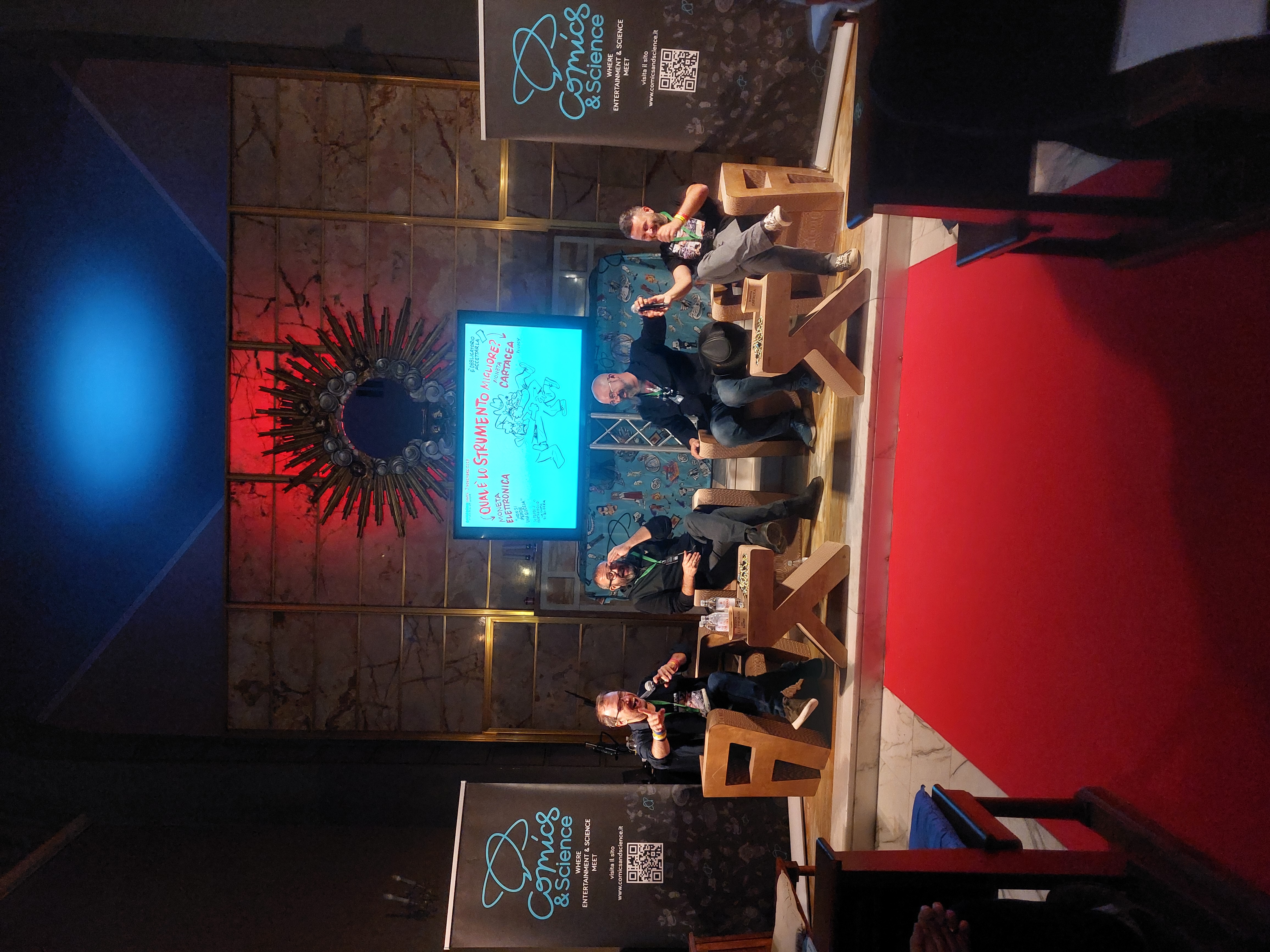
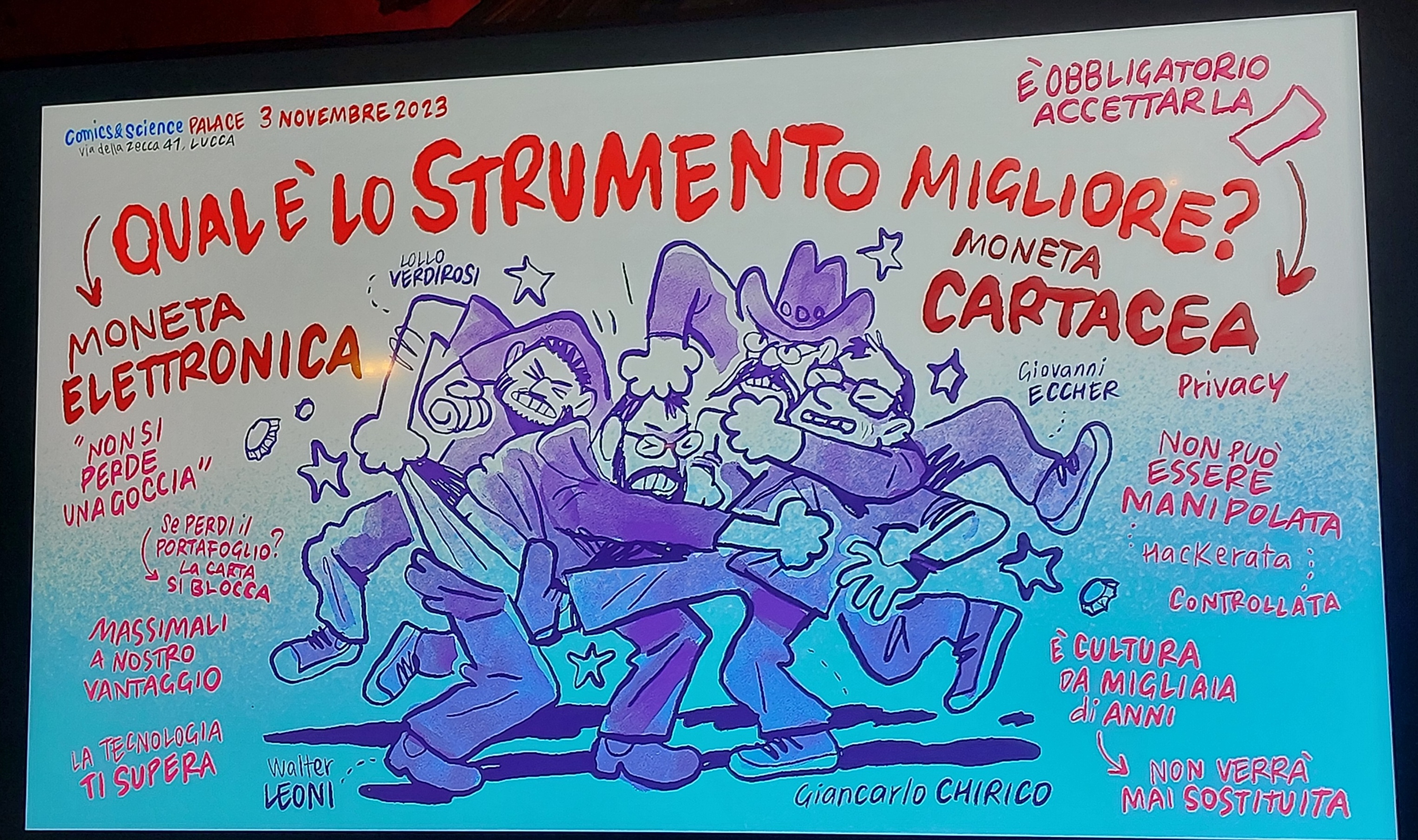
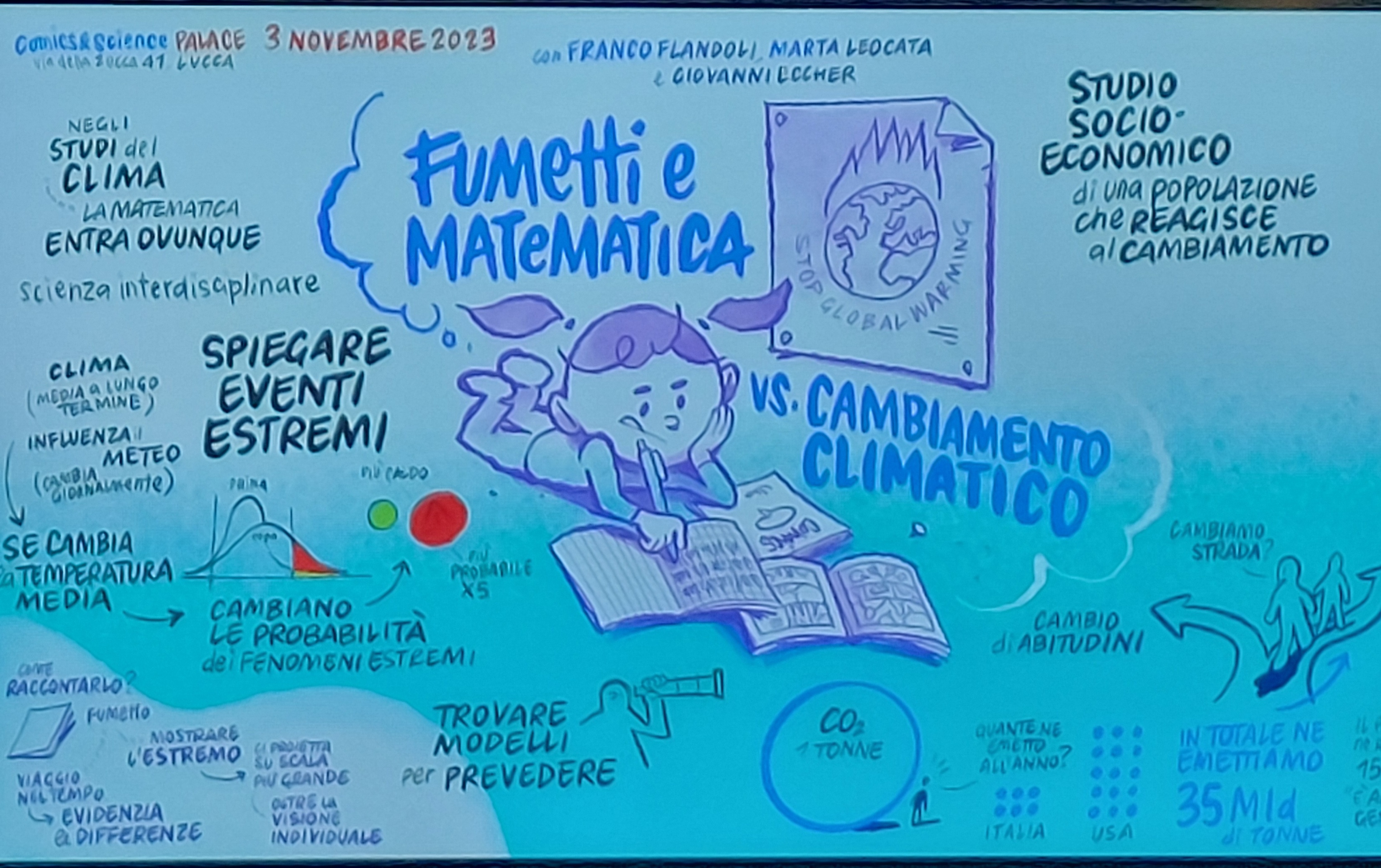
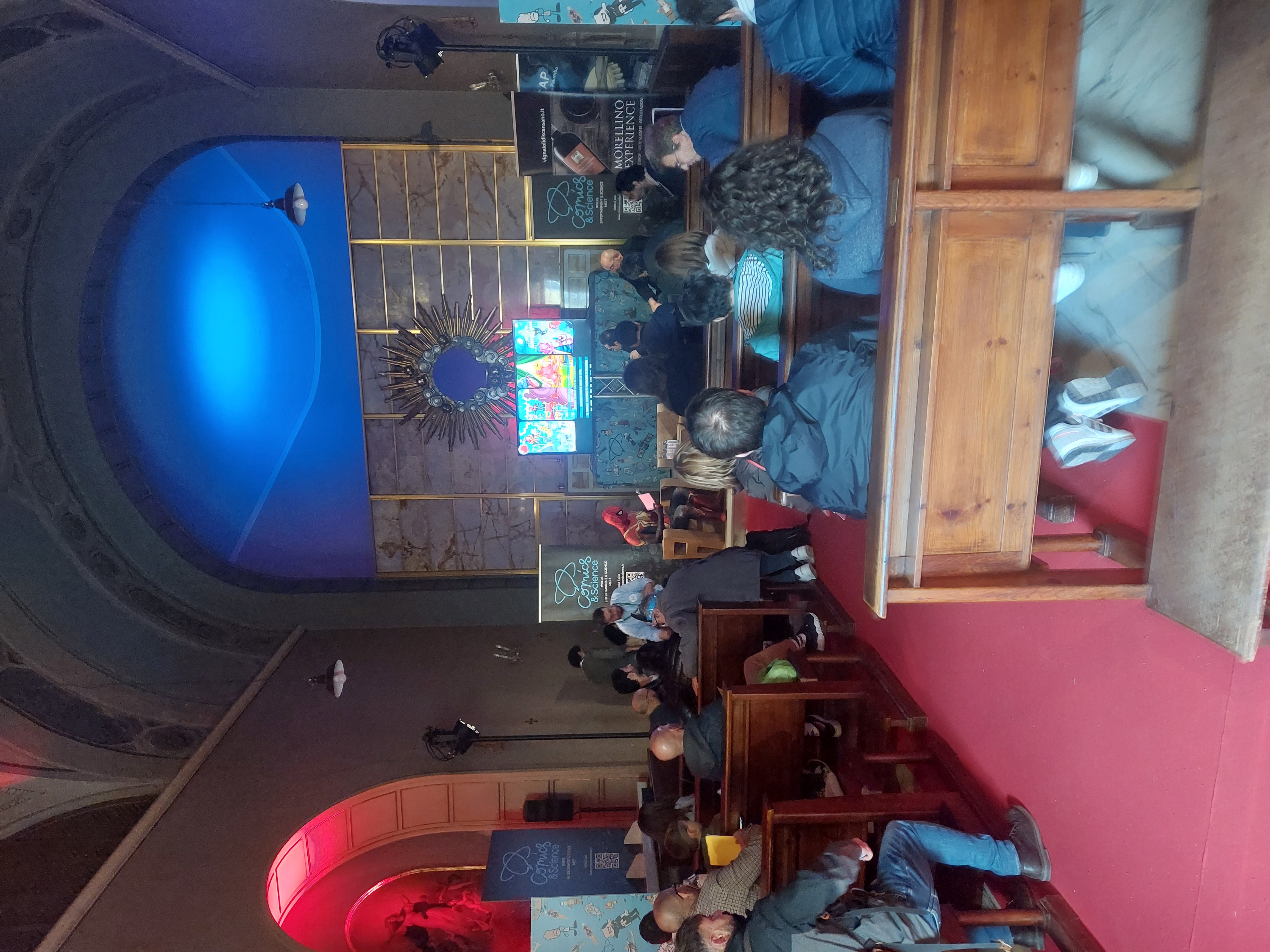
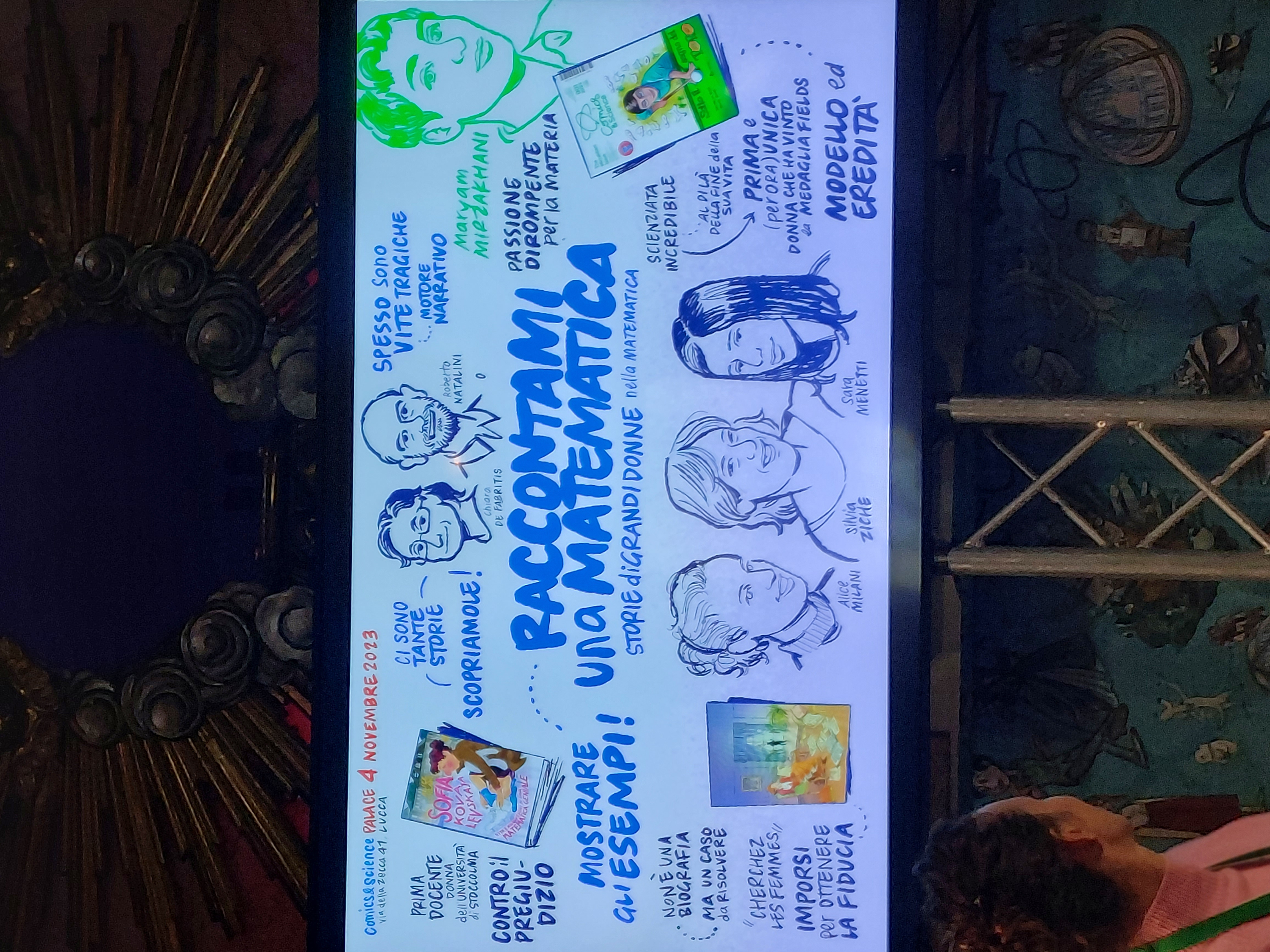
Con un programma fitto di appuntamenti, il CNR IAC è a Lucca dal 1° al 5 novembre con il progetto di divulgazione scientifica Comics&Science di CNR Edizioni, realizzato in collaborazione con Symmaceo Communications.
Incontri, laboratori, firmacopie per scoprire la scienza attraverso il fumetto. Di seguito tutto il programma.
MERCOLEDÌ 1 NOVEMBRE
Laboratori
Numerical Rock-Glacier Flow via the Pressure Method
Recent literature confirms the crucial influence of non-viscous deformations together with temperature impact on glacier and rock glacier flow numerical simulation. Along this line, supported by the successful test on a one-dimensional set-up developed by two of the author, we propose the numerical solution of a two-dimensional rock-glacier flow model based on an ice constitutive law of second grade differential type .
A Molecular Dynamics Study of the Evolving Melt Front under Gravity
During melting under gravity in the presence of a horizontal thermal gradient, buoyancy-driven convection in the liquid phase affects significantly the evolution of the liquid-solid interface. Due to the obvious engineering interest in understanding and controlling melting processes, fluid dynamicists and applied mathematicians have spent many efforts to model and simulate them numerically. Their endeavors concentrated in the twenty-five years period between the publication of the paper by Brent, Voller & Reid (1988) and that by Mansutti & Bucchignani (2011).